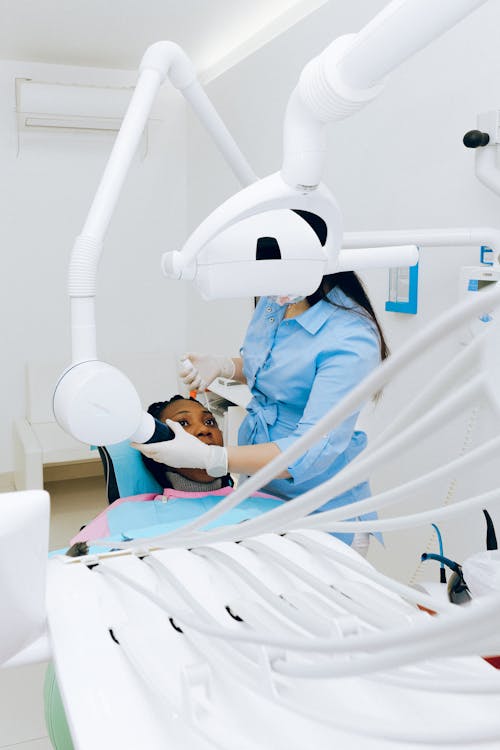
Dental tourism in Vietnam has grown substantially among Australians over the past several years. In 2026, Vietnam ranked second globally as a dental tourism destination for Australian patients — behind Thailand, but ahead of Malaysia, Hungary, and Mexico — according to the DentalTrip International Destination Report. The appeal is straightforward: procedures cost 50 to 70 per cent less than equivalent treatment in Australia, and direct flights from Sydney, Melbourne, and Brisbane to Ho Chi Minh City and Hanoi have made travel more accessible.
This guide does not argue that dental tourism in Vietnam is automatically a mistake. For some patients — particularly those facing large-scale restorative work that is simply unaffordable locally — a carefully chosen Vietnamese clinic may be a legitimate option. What this guide argues is that the outcome depends almost entirely on which clinic you choose, and that the quality gap in Vietnam is wider than most patients expect.
Why Vietnam Has Emerged as a Dental Tourism Destination
Several factors have driven Vietnam’s growth as a dental tourism hub for Australians:
- Cost advantage: Single implants cost $1,200–$2,000 AUD at reputable Vietnamese clinics compared to $4,500–$6,500 AUD in Australia. Full-arch All-on-4 treatment costs $6,000–$12,000 AUD in Vietnam versus $25,000–$35,000 AUD locally.
- Growing clinical infrastructure: A number of Vietnamese clinics — particularly in Ho Chi Minh City — now operate 3D CBCT scanners, digital intraoral scanners, and in-house CAD/CAM milling centres comparable to well-equipped Australian practices.
- Internationally trained dentists: Some Vietnamese clinics employ dentists who completed postgraduate training in Australia, the United States, or Europe, or who hold memberships in international dental organisations.
- Accessible travel: Increased direct flight capacity between Australian capital cities and Vietnamese airports has reduced both cost and travel time.
These are genuine advantages. They explain why Vietnam has attracted serious attention from Australian patients, and why dismissing all overseas dental care as inherently unsafe does not reflect the current reality.
The Quality Divide
The central challenge for patients is that Vietnam has no single standard of care. The difference between the best and worst dental clinics in a major Vietnamese city is far greater than the equivalent variation between Australian practices, which operate under AHPRA registration, ADA oversight, and strict Therapeutic Goods Administration requirements for dental materials.
At the top end, Vietnamese clinics catering to international patients may use internationally recognised implant systems, maintain documented sterilisation protocols, employ English-speaking patient coordinators, and have structured aftercare pathways for patients returning home. At the bottom end, clinics may use unbranded implant components, compress treatment timelines to fit tourist schedules, and have no capacity to support patients who develop complications after leaving the country.
The price is often the clearest signal. An implant quoted at $700–$900 USD at a Vietnamese clinic is not the same product — in materials, process, or follow-up — as an implant at $1,400–$1,800 USD. The Australian Dental Association has warned that unusually low prices typically indicate compromises in material quality, sterilisation standards, or treatment planning rigour.
What “Cheap” Actually Signals
When a Vietnamese dental clinic quotes prices significantly below the already-reduced market rate, the savings usually come from somewhere:
Materials substitution: Reputable implant brands (Straumann, Nobel Biocare, Osstem, Zimmer Biomet) carry a cost. Budget clinics may use unbranded or generic systems with no published long-term clinical data and no compatible replacement components available in Australia.
Skipped diagnostics: A 3D CBCT scan is essential for safe implant placement — it maps bone density, nerve pathways, and sinus proximity. Clinics cutting costs may skip this step or use outdated 2D imaging, increasing the risk of nerve damage and sinus perforation.
Compressed timelines: Osseointegration — the process by which bone bonds to the implant — requires 3 to 6 months. Budget dental tourism compresses this to one or two weeks, loading the implant before healing is complete and significantly increasing failure rates.
Limited sterilisation investment: Infection control equipment is expensive. Clinics operating on thin margins may not maintain the autoclaving standards required by Australian infection control guidelines.
5 Questions to Ask Before Booking
Before committing to any Vietnamese dental clinic, get written answers to each of these:
- What implant brand and system do you use? A reputable clinic names it specifically. If the answer is vague or the brand is unrecognisable, investigate further.
- Do you have an on-site CBCT scanner? Implant placement without 3D imaging is a safety risk.
- What is your infection control protocol? Ask about autoclave type, instrument tracking, and single-use disposables.
- What happens if I develop a complication after returning to Australia? A well-run clinic has a clear answer — including contact protocols and documentation they will provide to your local dentist.
- Can I speak with a previous Australian patient as a reference? Legitimate clinics that have treated many international patients can usually facilitate this.
When Complications Arise After You Return
The Australian Dental Journal (2019) found that 47 per cent of Australians who received implant treatment overseas required corrective work within 5 years, at an average additional cost of $4,800 AUD per patient. The most common complications include peri-implantitis (infection around the implant), implant malposition, mismatched components, and nerve damage.
Correcting overseas dental work in Australia involves several additional difficulties:
- If the implant brand is unknown, compatible abutments and crowns cannot be sourced
- Corrective treatment requires removing existing work before new treatment can begin, adding cost and recovery time
- There is no legal recourse against the overseas provider under Australian consumer protection law
- Treatment records from overseas clinics can be difficult to obtain
When to Stay Local
For patients considering a single implant, the financial case for Vietnam is weaker than it appears once flights, accommodation, and travel insurance are added. The savings may amount to $1,000–$2,000 AUD on a single implant — a margin that disappears entirely with a single complication.
For patients weighing full-arch treatment where Australian costs are $25,000–$35,000 AUD, the financial gap is more significant. Even here, however, the decision should follow careful clinic verification, not price alone.
Verified Townsville dental clinics offer transparent pricing, flexible payment plans, and the continuity of care that comes with treating patients over months and years — not a two-week window. If you would like to discuss your treatment options or get a local estimate before making any decisions, we welcome that conversation.
Finding a Safe Clinic Overseas
If you decide to proceed with dental treatment in Vietnam, use a verified platform to find and vet your clinic. A reputable, independent dental tourism platform that vets clinics helps Australians identify quality-accredited overseas providers, compare treatment plans, and connect with international patient coordinators — reducing the risk of choosing a clinic based on price alone.
Related Articles
- Red Flags: How to Spot an Unsafe Dental Clinic in Vietnam
- Vietnam Dental Implant Cost 2026: The True Price Australians Pay
- What Happens When Dental Work Done in Vietnam Goes Wrong
- Dental Tourism: Is Getting Implants Overseas Worth It?
- Dental Implants in Townsville
Ready to discuss your options locally? Compare Townsville dental clinics
- Dental Tourism
- Eofy Dental Tax Deductions Australia
- Sugar Cane Cutters Historical Dental Patterns
- Vietnam Dental Clinic Emergency Infrastructure
- Vietnam Dental Tourism Sterilization Compliance
- Cameron And Co Dental Mundingburra
- Cant Afford Dentist Australia Options
- Nz Vs Australia Dental Costs Comparison
- Claim Dental On Tax Australia
- Dental Tourism Trip Planning Guide Australia
- Does Medicare Cover Dental Australia
- Is Dental Extras Worth It Australia
- Why Dental Not Covered Medicare Australia
- Why Is Dentistry So Expensive Australia
- Dental Tourism Cambodia Australia
- Dental Tourism India Australia
- Dental Tourism Philippines Australia
- Dental Tourism Turkey Australia
- Dental Tourism Vietnam Hub
- Hungary Dental Tourism Complications Australia
- India Dental Tourism Complications Australia
- Is Cambodia Dental Tourism Safe
- Is Philippines Dental Tourism Safe
- Is Turkey Dental Tourism Worth It Australia
- Philippines Vs Vietnam Dental Tourism
- Cambodia Vs Vietnam Dental Tourism
- Dental Tourism Hungary Australia
- Dental Tourism Statistics Australia 2026
- India Vs Vietnam Dental Tourism
All Vietnam Dental Guides
- Vietnam Dental Implant Cost for Australians
- All-on-4 in Vietnam for Australians
- Vietnam Dental Clinic Red Flags
- Vietnam Dental Tourism Complications
- Northern Vietnam Dental Tourism Guide
- Hanoi Dental Clinics by Area
- Hanoi Dental Clinic Red Flags
- Hanoi vs Ho Chi Minh for Dental Tourism
- Ho Chi Minh Dental Clinics by District
- Ho Chi Minh Dental Clinic Red Flags
- Ho Chi Minh Dental Complications
- Ho Chi Minh vs Bangkok Dental Tourism
- Da Nang Dental Holiday Guide
- Da Nang Dental Implants Safety
- Da Nang Dental Clinic Red Flags
- Da Nang vs Ho Chi Minh Dental
- Questions to Ask a Ho Chi Minh Dental Clinic
- Vietnam vs Thailand Dental Tourism
Frequently asked questions
Is Vietnam safe for dental work?
Vietnam has a growing number of internationally accredited dental clinics that meet high clinical standards — including 3D CBCT imaging, CAD/CAM laboratories, and implant brands with long-term clinical data. However, the quality gap between the best and worst clinics in Vietnam is significant. Safety depends entirely on which clinic you choose. Patients should verify accreditation, implant brands used, sterilisation protocols, and whether the clinic has a dedicated aftercare pathway for international patients before committing.
What do dental implants cost in Vietnam compared to Australia?
A single dental implant (implant, abutment, and crown) costs approximately $4,500–$6,500 AUD in Australia. The same treatment may cost $1,200–$2,000 AUD at a reputable Vietnamese clinic. For full-arch All-on-4 treatment, Australian pricing is typically $25,000–$35,000 AUD compared to $6,000–$12,000 AUD in Vietnam. However, these figures do not include flights ($1,000–$2,500 AUD return), accommodation, travel insurance, or the cost of managing complications after returning home.
How do I find a reputable dental clinic in Vietnam?
Look for clinics with verifiable international accreditation, named implant brands (such as Straumann, Nobel Biocare, or Osstem), on-site CBCT/3D scanning, English-language patient coordinators, and published dentist credentials. Avoid clinics that cannot name the implant system they use, quote prices significantly below market rates, or apply pressure to deposit quickly. Reputable Vietnamese dental clinics catering to Australians will have clear aftercare communication protocols and will be transparent about what happens if you experience complications after returning to Australia.
Can my Townsville dentist fix work done overseas?
Possibly, but it is often complicated and expensive. If an overseas clinic used an unbranded or generic implant system, compatible replacement components may not be available in Australia. Your dentist must first diagnose the issue, which may require imaging and removal of the existing work before any corrective treatment can begin. The cost of corrective treatment in Australia frequently equals or exceeds the original overseas cost. There is also no legal recourse against overseas providers under Australian consumer protection law.
When does dental tourism in Vietnam make financial sense?
The cost case is strongest for complex full-arch treatments (All-on-4 or full-mouth rehabilitation) where Australian pricing is $25,000–$35,000 AUD. For a single implant, travel costs significantly reduce the savings. Regardless of treatment type, the financial case only holds if you use a clinic with verifiable quality standards — a failed implant requiring corrective work in Australia eliminates any savings entirely.
Popular Townsville treatment cost guides
Useful next pages
Also browse
Need to compare local options?
Use the directory filters before contacting a clinic for current availability, fees, and treatment advice.