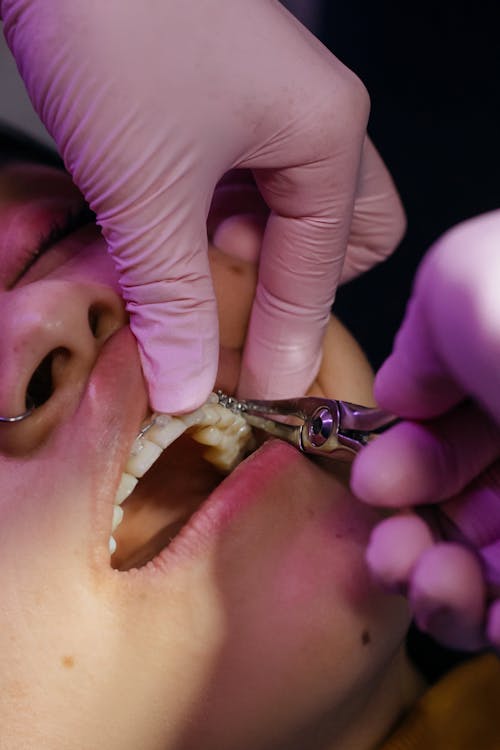
Root Canal Pain: What Modern Dentistry Actually Feels Like
The root canal has an undeserved reputation as one of the most painful dental procedures. In reality, advances in anaesthesia, rotary instrumentation, and sedation mean that modern root canal treatment is comparable to having a filling placed. A landmark study by Pak and White (2011) in the Journal of Endodontics confirmed that patients who received root canal therapy reported pain levels no higher than those who had restorative fillings. At verified Townsville clinics, we use the latest techniques and technology to ensure your root canal experience is as comfortable as possible — and we hear from patients every week that the procedure was far easier than they expected.
How Local Anaesthesia Eliminates Root Canal Pain
The foundation of a pain-free root canal is effective local anaesthesia. Before any treatment begins, your dentist administers one or more injections of local anaesthetic — typically articaine or lidocaine — to completely numb the tooth and surrounding tissues.
Why Some Teeth Are Harder to Numb
Teeth with active infections can be more difficult to anaesthetise because the acidic environment created by the infection reduces the effectiveness of standard anaesthetic solutions. In these cases, your dentist may use supplemental techniques such as:
- Intraligamentary injection — anaesthetic delivered directly into the ligament surrounding the tooth root
- Intrapulpal injection — anaesthetic placed directly into the nerve chamber once the tooth is opened
- Articaine infiltration — a more potent anaesthetic that diffuses through bone more effectively
Verified Townsville clinics never proceed with treatment until you confirm the tooth is completely numb. If you feel any discomfort at any point, we stop and administer additional anaesthesia.
The Role of Pre-Medication
For teeth with severe infections, your dentist may prescribe a course of antibiotics before the root canal appointment. Reducing the infection load improves the effectiveness of local anaesthesia and can significantly reduce post-operative discomfort. Anti-inflammatory medication taken one hour before the appointment can also help manage swelling and soreness after the procedure.
Sedation Options for Anxious Patients
If dental anxiety is a concern, Townsville clinics offer several sedation options to help you relax during your root canal.
Nitrous Oxide (Happy Gas)
Nitrous oxide is inhaled through a small nose mask and produces a gentle sense of relaxation within minutes. You remain fully conscious and can communicate with your dentist throughout the procedure. The effects wear off within five minutes of removing the mask, and most patients can drive themselves home.
Oral Sedation
A sedative tablet taken approximately one hour before your appointment produces moderate relaxation. You will feel drowsy but remain responsive. You will need someone to drive you home after the appointment.
Intravenous (IV) Sedation
IV sedation provides a deeper level of relaxation and is ideal for patients with significant dental anxiety or those undergoing multiple procedures. You will have little or no memory of the treatment. A qualified sedationist administers and monitors the sedation throughout the procedure.
What to Expect After a Root Canal
Understanding the normal recovery timeline helps you distinguish expected discomfort from potential complications.
Days 1 to 3
Mild tenderness around the treated tooth is normal as the anaesthesia wears off and the body begins its healing response. The gum tissue where the anaesthetic was injected may also be sore. Over-the-counter pain relief — ibuprofen (400 mg every 6 hours) or paracetamol (1,000 mg every 6 hours) — is usually sufficient.
Days 3 to 7
Discomfort should gradually decrease each day. You may notice the tooth feels slightly different from surrounding teeth when biting. Avoid chewing hard foods on the treated side until your permanent restoration is placed.
Beyond 7 Days
If pain persists or worsens after one week, contact verified Townsville clinics. Ongoing discomfort may indicate a complication that requires attention, such as a high bite, missed canal, or crack in the tooth.
For a detailed guide to the healing process, see our root canal recovery page.
Tips to Minimise Root Canal Discomfort
- Take pain relief proactively — do not wait for pain to develop before taking medication
- Avoid chewing on the treated side for 24 to 48 hours
- Sleep with your head slightly elevated on the first night to reduce swelling
- Avoid very hot or very cold foods for the first few days
- Do not skip your follow-up appointment — your dentist needs to check healing and place the permanent restoration
When to Contact Your Dentist
While mild discomfort is normal, certain symptoms warrant a prompt call to the clinic:
- Severe pain that is not controlled by over-the-counter medication
- Swelling that develops or worsens after 48 hours
- A visible pimple or abscess on the gum near the treated tooth
- The temporary filling falls out
- Your bite feels significantly uneven
Related Services
Ready to book? Compare Townsville dental clinics
Frequently asked questions
Does a root canal hurt?
Modern root canal treatment is comparable to having a filling placed. Local anaesthesia completely numbs the tooth and surrounding tissues before treatment begins. A 2011 study published in the Journal of Endodontics found that patients who had undergone root canal therapy rated their experience no more painful than those who had a standard filling. Most discomfort associated with root canals actually comes from the infection before treatment, not the procedure itself. Townsville clinics use advanced anaesthetic techniques to ensure you remain comfortable throughout.
How long does root canal pain last after the procedure?
Mild soreness or sensitivity is normal for one to three days after a root canal. The treated tooth and surrounding gum tissue may feel tender as the local anaesthesia wears off and the body begins healing. Over-the-counter pain relief such as ibuprofen or paracetamol is usually sufficient to manage this discomfort. If pain persists beyond five to seven days or worsens significantly, contact verified Townsville clinics for a review as this may indicate a complication.
Can I be sedated for a root canal?
Yes. Townsville clinics offer sedation options for patients with dental anxiety or those undergoing lengthy procedures. Options include nitrous oxide (happy gas) for mild relaxation, oral sedation for moderate anxiety, and intravenous sedation for deeper relaxation. Your dentist will discuss which option is most appropriate based on your anxiety level, medical history, and the complexity of the treatment.
What does a root canal feel like during the procedure?
During a root canal you will feel pressure and vibration but should not feel sharp pain. The dentist administers local anaesthesia to block all pain signals from the tooth. You may feel the rubber dam being placed around the tooth and sense the vibration of the rotary instruments used to clean the canals. If you experience any discomfort during the procedure, your dentist can administer additional anaesthesia immediately.
Is a root canal more painful than an extraction?
No. Research published in the International Endodontic Journal shows that root canal treatment and tooth extraction produce similar levels of post-operative discomfort. However, root canal treatment preserves your natural tooth, which offers significant long-term advantages for chewing function, jawbone preservation, and avoiding the cost of replacement options such as implants or bridges. verified Townsville clinics recommends saving the natural tooth whenever possible.
Popular Townsville treatment cost guides
Useful next pages
Also browse
- Children's Dentistry in Townsville
- Afterpay Dentist Bundaberg 2026
- Gum Recontouring Cost Bundaberg 2026
- Best Smile Makeover Clinics Bendigo 2026
- Royal Dental Care Parramatta -- Clinic Profile
- Best Wisdom Teeth Removal Busselton 2026
- Bays Dental — Clinic Profile
- Disability Dental Care Cost Albury–Wodonga 2026
Need to compare local options?
Use the directory filters before contacting a clinic for current availability, fees, and treatment advice.