

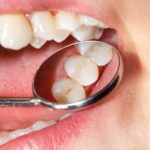

A persistent bad taste in your mouth can be concerning and uncomfortable. Understanding the dental causes and available solutions helps you address this problem effectively and restore your oral health.
1. What Causes Persistent Bad Taste in Your Mouth?
A lingering bad taste often indicates an underlying dental or oral health problem that requires professional attention. Here are the main causes:
Dental Infection Sources
Tooth abscess:
- Deep decay – Bacteria reach tooth nerve
- Root canal infection – Failed or incomplete treatment
- Gum abscess – Infection in gum tissues
- Periapical infection – Around tooth root tip
- Taste description – Metallic, bitter, or putrid flavor
Gum disease (periodontitis):
- Bacterial buildup – Plaque and tartar accumulation
- Infected pockets – Deep spaces around teeth
- Tissue breakdown – Gum and bone destruction
- Drainage – Pus or infected fluid
- Taste characteristics – Salty, metallic, or foul
Failed Dental Restorations
Leaking fillings:
- Old amalgam fillings – Mercury taste from deterioration
- Cracked restorations – Bacteria enter beneath filling
- Poor seal – Food debris trapped underneath
- Composite breakdown – Plastic taste from worn material
- Metal corrosion – Metallic taste from old crowns
Crown problems:
- Loose crowns – Bacteria accumulate underneath
- Cement washout – Gaps allow infection
- Metal exposure – Metallic taste from worn areas
- Food impaction – Debris stuck around margins
- Tissue irritation – Inflammation around crown
Post-Surgical Complications
Dry socket (after extraction):
- Blood clot loss – Exposed bone and nerves
- Bacterial invasion – Infection in socket
- Delayed healing – Poor wound recovery
- Severe taste – Extremely unpleasant flavor
- Pain accompanies – Intense discomfort
Surgical site infection:
- Implant complications – Infection around implant
- Wisdom tooth extraction – Poor healing
- Bone graft problems – Material rejection or infection
- Suture issues – Non-dissolving sutures trap bacteria
- Tissue necrosis – Dead tissue creates foul taste
Oral Health Conditions
Thrush (oral candidiasis):
- Fungal infection – Candida overgrowth
- White patches – Coating on tongue and tissues
- Sweet or metallic taste – Characteristic flavor
- Risk factors – Diabetes, medications, immune suppression
- Burning sensation – Uncomfortable mouth feeling
Dry mouth (xerostomia):
- Reduced saliva – Less natural mouth cleaning
- Bacterial overgrowth – Poor self-cleansing
- Medication side effects – Many drugs cause dryness
- Medical conditions – Diabetes, autoimmune disorders
- Concentrated taste – Intensified unpleasant flavors
Systemic Health Factors
Medical conditions affecting taste:
- Diabetes – Blood sugar affects oral health
- Kidney disease – Waste products in saliva
- Liver problems – Toxin buildup affects taste
- Respiratory infections – Sinus drainage
- Gastrointestinal issues – Acid reflux, GERD
Medications causing taste changes:
- Antibiotics – Disrupt oral bacteria balance
- Blood pressure medications – Metallic taste common
- Antidepressants – Dry mouth and taste changes
- Chemotherapy drugs – Significant taste alterations
- Vitamin supplements – Iron, zinc can cause metallic taste
At Townsville Dental Clinic, we perform comprehensive examinations to identify the exact cause of your persistent bad taste and develop targeted treatment plans.
2. Can Bad Taste Indicate Serious Problems?
Yes, persistent bad taste can signal serious dental and medical conditions that require immediate attention. Understanding warning signs helps you seek timely treatment.
Serious Dental Emergencies
Spreading infection:
- Facial swelling – Infection beyond tooth
- Fever and chills – Systemic involvement
- Difficulty swallowing – Throat space infection
- Breathing problems – Airway compromise
- Rapid progression – Symptoms worsening quickly
Bone infection (osteomyelitis):
- Deep jaw pain – Bone involvement
- Numbness – Nerve compression
- Loose teeth – Bone destruction
- Drainage – Pus through gums or skin
- Chronic bad taste – Persistent infection
Life-Threatening Complications
Ludwig’s angina:
- Neck swelling – Under tongue and jaw
- Speech difficulties – Tongue displacement
- Breathing obstruction – Medical emergency
- Fever and malaise – Severe systemic symptoms
- Hospitalization required – IV antibiotics needed
Cavernous sinus thrombosis:
- Upper tooth infection – Spreads to brain area
- Eye swelling – Orbital involvement
- Vision changes – Double vision, blindness
- Severe headache – Intense pain
- Immediate medical care – Life-threatening condition
Systemic Disease Indicators
Diabetes complications:
- Uncontrolled blood sugar – Poor healing, infections
- Fruity breath – Ketoacidosis warning
- Gum disease progression – Rapid tissue destruction
- Delayed healing – Wounds don’t recover normally
- Frequent infections – Recurring oral problems
Kidney disease signs:
- Ammonia taste – Waste product buildup
- Metallic flavor – Electrolyte imbalances
- Dry mouth – Reduced kidney function
- Bad breath – Uremic odor
- Fatigue and weakness – Systemic symptoms
Cancer-Related Taste Changes
Oral cancer warning signs:
- Persistent sores – Won’t heal after 2 weeks
- White or red patches – Abnormal tissue changes
- Bleeding without cause – Unexplained bleeding
- Numbness – Nerve involvement
- Difficulty chewing – Function problems
Treatment-related changes:
- Chemotherapy effects – Severe taste alterations
- Radiation therapy – Permanent taste changes
- Medication interactions – Multiple drug effects
- Nutritional deficiencies – Poor food intake
- Immune suppression – Increased infection risk
When to Seek Emergency Care
Immediate attention needed:
- Difficulty breathing – Any airway compromise
- Severe facial swelling – Rapid progression
- High fever – 101°F or higher with dental symptoms
- Inability to swallow – Risk of dehydration
- Severe pain – Uncontrolled with medication
Same-day dental care:
- Sudden taste change – With pain or swelling
- Drainage or pus – Visible infection signs
- Loose restoration – Risk of swallowing or aspiration
- Trauma-related taste – After injury to mouth
- Post-surgical complications – After dental procedures
Medication-Related Emergencies
Antibiotic complications:
- Allergic reactions – Rash, swelling, breathing problems
- C. diff infection – Severe diarrhea, cramping
- Liver toxicity – Yellowing skin, dark urine
- Drug interactions – With other medications
- Resistance development – Recurring infections
Overdose situations:
- Pain medication – Respiratory depression
- Mouthwash ingestion – Alcohol poisoning
- Fluoride toxicity – From excessive use
- Supplement overdose – Iron, zinc poisoning
- Combination effects – Multiple substances
Chronic Condition Complications
Autoimmune disorders:
- Sjögren’s syndrome – Severe dry mouth
- Lupus complications – Oral ulcerations
- Rheumatoid arthritis – Medication side effects
- Inflammatory bowel disease – Oral manifestations
- HIV/AIDS – Opportunistic infections
Cardiovascular risks:
- Endocarditis – Heart infection from oral bacteria
- Stroke risk – Gum disease correlation
- Blood clotting – Medication interactions
- Hypertension – Medication taste effects
- Heart attack – Stress from untreated pain
Psychological Impact
Quality of life effects:
- Social isolation – Embarrassment about taste/breath
- Depression – Chronic symptoms affect mood
- Anxiety – Worry about serious disease
- Eating disorders – Taste changes affect nutrition
- Sleep disruption – Pain and discomfort
Prevention of Serious Complications
Early intervention:
- Regular dental checkups – Detect problems early
- Don’t ignore symptoms – Address taste changes promptly
- Maintain oral hygiene – Prevent bacterial buildup
- Manage medical conditions – Control diabetes, blood pressure
- Communicate with healthcare providers – Report all symptoms
Risk reduction:
- Smoking cessation – Reduces infection and cancer risk
- Limit alcohol – Improves oral tissue health
- Stress management – Reduces immune suppression
- Proper nutrition – Supports healing and immunity
- Medication compliance – Take prescribed treatments
At Townsville Dental Clinic, we take persistent bad taste seriously and provide comprehensive evaluation to rule out serious conditions and ensure your safety.
3. What Dental Treatments Can Fix Bad Taste?
The treatment for persistent bad taste depends on the underlying cause. Here are the most effective dental treatments available:
Infection Treatment Protocols
Antibiotic therapy:
- Amoxicillin – First-line treatment for dental infections
- Clindamycin – Alternative for penicillin-allergic patients
- Metronidazole – Effective against anaerobic bacteria
- Azithromycin – Good tissue penetration
- Duration – Typically 7-10 days full course
Root canal treatment:
- Emergency access – Immediate pain and taste relief
- Complete cleaning – Remove all infected tissue
- Disinfection – Antimicrobial irrigation
- Sealing – Prevent reinfection
- Crown restoration – Protect treated tooth
Professional Cleaning Procedures
Deep cleaning (scaling and root planing):
- Plaque removal – Above and below gum line
- Tartar elimination – Hardened bacterial deposits
- Root surface smoothing – Promote healing
- Bacterial reduction – Decrease infection source
- Tissue healing – Allow gums to recover
Periodontal maintenance:
- Regular cleanings – Every 3-4 months
- Pocket irrigation – Flush out bacteria
- Antimicrobial therapy – Localized antibiotics
- Tissue monitoring – Track healing progress
- Home care education – Improve daily hygiene
Restoration Repair and Replacement
Filling replacement:
- Remove old fillings – Eliminate bacterial source
- Clean cavity thoroughly – Remove all decay
- New restoration – Seal tooth properly
- Material selection – Biocompatible options
- Proper margins – Prevent future leakage
Crown repair or replacement:
- Remove loose crown – Access infected area
- Disinfect preparation – Clean tooth surface
- New impression – Precise fit
- Temporary crown – Protect during fabrication
- Permanent placement – Proper seal and function
Surgical Interventions
Tooth extraction:
- Non-restorable teeth – When saving isn’t possible
- Wisdom tooth removal – Eliminate infection source
- Proper socket care – Prevent dry socket
- Immediate cleaning – Remove infected tissue
- Healing monitoring – Ensure proper recovery
Apicoectomy (root tip surgery):
- Access through gum – Surgical approach
- Remove infected tip – Eliminate bacterial source
- Seal root end – Prevent reinfection
- Tissue closure – Promote healing
- Follow-up care – Monitor success
Dry Socket Treatment
Socket irrigation:
- Gentle cleaning – Remove debris and bacteria
- Saline flush – Sterile cleaning solution
- Antimicrobial rinse – Prevent infection
- Pain relief – Immediate comfort improvement
- Medicated dressing – Protect exposed bone
Healing promotion:
- Platelet-rich fibrin – Natural healing accelerator
- Collagen plugs – Protect socket
- Soft diet guidance – Prevent disruption
- Pain management – Appropriate medications
- Frequent monitoring – Ensure proper healing
Advanced Treatment Options
Laser therapy:
- Bacterial decontamination – Precise cleaning
- Tissue regeneration – Promote healing
- Reduced inflammation – Faster recovery
- Minimal discomfort – Comfortable treatment
- Enhanced results – Improved outcomes
Ozone therapy:
- Antimicrobial action – Kill bacteria and viruses
- Tissue oxygenation – Promote healing
- Non-toxic treatment – Safe for all patients
- Rapid results – Quick symptom improvement
- Complement other treatments – Enhanced effectiveness
Specialized Treatments
Endodontic retreatment:
- Failed root canal – Address persistent infection
- Complete cleaning – Remove all previous materials
- Modern techniques – Microscope-assisted treatment
- Better disinfection – Advanced irrigation protocols
- Improved sealing – Prevent future problems
Periodontal surgery:
- Flap surgery – Access deep infections
- Bone grafting – Restore lost tissue
- Guided tissue regeneration – Promote new attachment
- Pocket reduction – Eliminate bacterial hiding places
- Aesthetic improvement – Restore normal appearance
Post-Treatment Care
Medication compliance:
- Complete antibiotic course – Even if feeling better
- Pain management – As prescribed by dentist
- Anti-inflammatory drugs – Reduce swelling
- Avoid interactions – Check with pharmacist
- Report side effects – Contact dentist immediately
Oral hygiene modifications:
- Gentle brushing – Soft bristles, careful technique
- Antimicrobial rinse – Prescription or recommended OTC
- Salt water rinses – Natural healing promotion
- Avoid irritants – Alcohol, tobacco, spicy foods
- Regular follow-ups – Monitor healing progress
Treatment Success Monitoring
Symptom tracking:
- Taste improvement – Should occur within days
- Pain reduction – Gradual decrease expected
- Swelling resolution – Should subside progressively
- Function return – Normal eating and speaking
- Overall comfort – General well-being improvement
Professional monitoring:
- Follow-up appointments – Usually within 1-2 weeks
- X-ray evaluation – Check healing progress
- Tissue assessment – Gum and bone health
- Treatment adjustments – Modify approach if needed
- Long-term planning – Prevent future problems
At Townsville Dental Clinic, we provide comprehensive treatment for all causes of bad taste, using the latest techniques and technologies to ensure rapid relief and long-term success.
4. What Mouthwash Helps with Persistent Bad Taste?
The right mouthwash can significantly help with bad taste, but choosing the correct type depends on the underlying cause. Here’s your complete guide:
Antimicrobial Mouthwashes
Prescription strength options:
- Chlorhexidine gluconate (Peridex) – Gold standard for bacterial control
- Concentration – 0.12% most common prescription strength
- Usage – Twice daily, 30 seconds each time
- Effectiveness – Reduces bacteria for up to 12 hours
- Duration – Typically prescribed for 2-4 weeks
Benefits of chlorhexidine:
- Broad spectrum – Kills bacteria, viruses, fungi
- Substantivity – Continues working after rinsing
- Proven results – Extensive research backing
- Professional recommendation – Dentist-preferred choice
- Rapid improvement – Often works within 24-48 hours
Over-the-Counter Options
Therapeutic mouthwashes:
- Listerine Antiseptic – Essential oils formula
- TheraBreath – Oxygenating compounds
- CloSYS – Gentle hypochlorous acid
- SmartMouth – Dual-chamber zinc formula
- ACT Anticavity – Fluoride with antibacterial agents
Active ingredients to look for:
- Cetylpyridinium chloride (CPC) – Effective against bacteria
- Essential oils – Thymol, eucalyptol, menthol, methyl salicylate
- Hydrogen peroxide – Oxygenating action
- Zinc compounds – Neutralize sulfur compounds
- Fluoride – Strengthen teeth and fight bacteria
Condition-Specific Recommendations
For gum disease:
- Chlorhexidine – Prescription strength preferred
- Essential oil mouthwash – Proven periodontal benefits
- Peroxide rinse – Oxygen therapy for gums
- Avoid alcohol-based – Can irritate inflamed tissues
- Use consistently – Twice daily for best results
For infection-related taste:
- Prescription antimicrobials – Strongest bacterial control
- Salt water rinses – Natural healing promotion
- Betadine gargle – Iodine-based antiseptic
- Avoid whitening rinses – May irritate healing tissues
- Continue until healed – Don’t stop early
Natural and Gentle Options
For sensitive mouths:
- Biotene – Dry mouth formulation
- CloSYS Sensitive – pH balanced, gentle
- Salt water – 1/2 teaspoon salt in warm water
- Baking soda rinse – 1/2 teaspoon in water
- Alcohol-free formulas – Less irritating
Herbal and natural rinses:
- Tea tree oil rinse – Diluted for antimicrobial action
- Aloe vera rinse – Soothing and healing
- Green tea rinse – Antioxidant properties
- Coconut oil pulling – Traditional antimicrobial method
- Sage rinse – Anti-inflammatory properties
Usage Guidelines and Timing
Proper technique:
- Timing – 30 minutes after brushing for best results
- Volume – 15-20ml (1 tablespoon) typically
- Duration – 30 seconds to 1 minute swishing
- Don’t dilute – Use at full strength unless directed
- Don’t rinse with water after – Let active ingredients work
Frequency recommendations:
- Prescription rinses – Exactly as prescribed
- OTC therapeutic – Twice daily maximum
- Gentle rinses – Can use more frequently
- Salt water – 3-4 times daily safe
- Avoid overuse – Can disrupt oral bacteria balance
What to Avoid
Contraindicated ingredients:
- High alcohol content – Can worsen dry mouth
- Whitening agents – May irritate during healing
- Strong flavoring – Can mask symptoms
- Acidic formulations – May damage tooth enamel
- Unknown ingredients – Stick to proven formulas
Common mistakes:
- Using immediately after brushing – Rinses away fluoride
- Swallowing mouthwash – Can cause stomach upset
- Overuse – Disrupts natural oral flora
- Wrong concentration – Follow label directions
- Stopping too soon – Complete recommended course
Special Considerations
Medical conditions:
- Diabetes – Choose alcohol-free options
- High blood pressure – Avoid sodium-containing rinses
- Pregnancy – Check with doctor before use
- Autoimmune conditions – May need gentler formulas
- Medication interactions – Consult pharmacist
Age considerations:
- Children under 6 – No fluoride rinses
- Elderly patients – May need alcohol-free options
- Swallowing difficulties – Choose safest formulas
- Denture wearers – May need special formulations
- Cognitive impairment – Supervised use important
Monitoring Results
Expected improvements:
- Within 24-48 hours – Initial taste improvement
- 1 week – Significant symptom reduction
- 2 weeks – Complete resolution typical
- Continued use – As directed by dentist
- Long-term benefits – Improved oral health
When to contact dentist:
- No improvement – After 3-4 days of proper use
- Worsening symptoms – Increased pain or swelling
- Allergic reactions – Rash, swelling, difficulty breathing
- Taste changes – New unpleasant flavors
- Tissue irritation – Burning, redness, ulcers
Cost and Accessibility
Prescription options:
- Insurance coverage – Many plans cover prescription rinses
- Generic versions – Lower cost alternatives available
- Sample sizes – Ask dentist for trial bottles
- Pharmacy assistance – Programs for cost reduction
- Bulk purchasing – Larger bottles more economical
Over-the-counter costs:
- Budget options – Store brands often effective
- Bulk buying – Warehouse stores offer savings
- Coupons – Manufacturer websites have offers
- Online purchasing – Compare prices easily
- Subscription services – Regular delivery discounts
Townsville Recommendations
Local availability:
- Prescription pickup – Coordinate with dental appointment
- Pharmacy consultation – Discuss options with pharmacist
- Emergency access – After-hours medication availability
- Insurance coordination – Maximize coverage benefits
- Follow-up scheduling – Monitor treatment progress
At Townsville Dental Clinic, we provide specific mouthwash recommendations based on your individual condition and needs, ensuring the most effective treatment for your bad taste symptoms.
5. How Does Diet Affect Bad Taste in Your Mouth?
Your diet significantly impacts oral health and can either contribute to or help resolve persistent bad taste. Understanding these connections helps you make better food choices.
Foods That Worsen Bad Taste
High-sugar foods:
- Candy and sweets – Feed harmful bacteria
- Soft drinks – Sugar plus acid damage
- Processed snacks – Hidden sugars and preservatives
- Fruit juices – Concentrated natural sugars
- Baked goods – Sugar plus sticky texture
Acidic foods and drinks:
- Citrus fruits – High acid content
- Tomatoes – Acidic and can irritate tissues
- Coffee – Acidic and can stain
- Wine – Alcohol plus acid
- Sports drinks – Acid and sugar combination
Bacterial-promoting foods:
- Garlic and onions – Sulfur compounds
- Spicy foods – Can irritate inflamed tissues
- Processed meats – High sodium and preservatives
- Dairy products – Can increase mucus production
- Sticky foods – Remain on teeth longer
Foods That Help Improve Taste
Natural antimicrobials:
- Green tea – Polyphenols fight bacteria
- Cranberries – Prevent bacterial adhesion
- Raw vegetables – Natural cleaning action
- Apples – Fiber helps clean teeth
- Celery – Natural toothbrush effect
Anti-inflammatory foods:
- Leafy greens – Rich in vitamins and minerals
- Fatty fish – Omega-3 fatty acids
- Nuts and seeds – Healthy fats and proteins
- Berries – Antioxidants and vitamins
- Turmeric – Natural anti-inflammatory
Saliva-stimulating foods:
- Sugar-free gum – Increases saliva flow
- Crunchy vegetables – Stimulate saliva production
- Tart fruits – Natural saliva stimulants
- Water-rich foods – Cucumber, watermelon
- Herbs – Parsley, mint naturally freshen
Hydration and Oral Health
Water consumption:
- 8 glasses daily – Minimum recommendation
- Rinse after meals – Wash away food particles
- Room temperature – Easier on sensitive teeth
- Filtered water – Remove chemicals and contaminants
- Throughout the day – Consistent hydration
Beverages to avoid:
- Alcohol – Dehydrating and irritating
- High-caffeine drinks – Can cause dry mouth
- Sugary drinks – Feed harmful bacteria
- Energy drinks – High acid and sugar content
- Artificial sweeteners – Some can cause digestive issues
Nutritional Deficiencies Affecting Taste
Key nutrients for oral health:
- Vitamin C – Gum health and healing
- Vitamin D – Bone and tooth health
- B vitamins – Tissue health and healing
- Zinc – Taste function and healing
- Iron – Prevents metallic taste from deficiency
Deficiency symptoms:
- Vitamin C deficiency – Bleeding gums, slow healing
- B12 deficiency – Mouth sores, altered taste
- Iron deficiency – Metallic taste, fatigue
- Zinc deficiency – Loss of taste, slow healing
- Folate deficiency – Mouth ulcers, inflammation
Meal Timing and Oral Health
Eating patterns:
- Regular meals – Maintain stable blood sugar
- Avoid constant snacking – Gives mouth time to neutralize
- Don’t skip meals – Prevents dry mouth
- Timing with medications – Coordinate with treatments
- Post-meal care – Rinse or brush when possible
Food sequencing:
- End meals with cheese – Neutralizes acid
- Finish with water – Rinse away particles
- Avoid acidic last – Don’t end with citrus
- Sugar early in meal – Better than as snack
- Fibrous foods help – Natural cleaning action
Special Dietary Considerations
Diabetes management:
- Blood sugar control – Prevents oral complications
- Complex carbohydrates – Steady energy release
- Protein balance – Supports tissue healing
- Monitor glycemic index – Choose lower GI foods
- Regular eating schedule – Prevents swings
Medication interactions:
- Antibiotic timing – Some require empty stomach
- Calcium supplements – Don’t take with certain antibiotics
- Grapefruit – Interacts with many medications
- High-fiber foods – May affect medication absorption
- Alcohol – Avoid with most medications
Foods for Healing and Recovery
Post-treatment diet:
- Soft, nutrient-dense foods – Easy to eat, promote healing
- Protein-rich options – Support tissue repair
- Cool, soothing foods – Reduce inflammation
- Non-acidic choices – Don’t irritate tissues
- Easy-to-swallow textures – Minimize discomfort
Healing nutrients:
- Vitamin C foods – Citrus (when tolerated), berries
- Protein sources – Eggs, fish, beans, dairy
- Healthy fats – Avocado, olive oil, nuts
- Zinc sources – Pumpkin seeds, shellfish, meat
- Anti-inflammatory foods – Ginger, turmeric, green tea
Cultural and Regional Factors
Queensland dietary habits:
- Fresh seafood – Excellent protein and omega-3s
- Tropical fruits – High in vitamins (moderate intake)
- Outdoor barbecuing – Choose lean meats
- Beer culture – Limit alcohol consumption
- Coffee consumption – Balance with water intake
Traditional remedies:
- Manuka honey – Antimicrobial properties
- Tea tree oil – Natural antiseptic (properly diluted)
- Eucalyptus – Anti-inflammatory properties
- Native herbs – Traditional healing plants
- Bush tomatoes – Antioxidant properties
Practical Meal Planning
Breakfast options:
- Plain yogurt – Probiotics for oral health
- Oatmeal – Fiber and sustained energy
- Soft scrambled eggs – Protein for healing
- Smoothies – Nutrient-dense, easy to consume
- Herbal tea – Hydrating and soothing
Lunch and dinner ideas:
- Steamed vegetables – Gentle, nutritious
- Baked fish – Omega-3s and protein
- Brown rice – Complex carbohydrates
- Soup-based meals – Hydrating and gentle
- Lean poultry – High-quality protein
Monitoring Dietary Impact
Track symptoms:
- Food diary – Note what affects taste
- Symptom timing – Relate to meals
- Improvement patterns – What helps most
- Trigger identification – Foods that worsen symptoms
- Overall trends – Long-term patterns
Professional guidance:
- Nutritionist consultation – Personalized meal planning
- Medical coordination – Work with healthcare team
- Supplement needs – Professional assessment
- Dietary restrictions – Medical condition requirements
- Progress monitoring – Regular health assessments
At Townsville Dental Clinic, we provide comprehensive dietary guidance to support your oral health and help resolve persistent bad taste through proper nutrition and food choices.
Eliminate Bad Taste for Good
Persistent bad taste requires professional evaluation and targeted treatment. Don’t let this uncomfortable symptom continue to affect your quality of life and oral health.
Townsville Dental Clinic comprehensive approach:
- Thorough examination to identify exact causes
- Advanced diagnostic technology for accurate assessment
- Targeted treatment plans for rapid symptom relief
- Ongoing support throughout your recovery
Ready to restore your normal taste?
- Same-day emergency appointments for urgent symptoms
- Complete oral health evaluation and treatment
- Professional guidance on oral hygiene and diet
- Follow-up care to prevent recurrence
Don’t ignore persistent bad taste – it often indicates treatable dental conditions. Contact Townsville’s oral health specialists for expert diagnosis and effective treatment solutions.
Experiencing persistent bad taste in Townsville? Townsville Dental Clinic provides expert diagnosis and treatment for all causes of oral taste disorders with immediate relief strategies.