

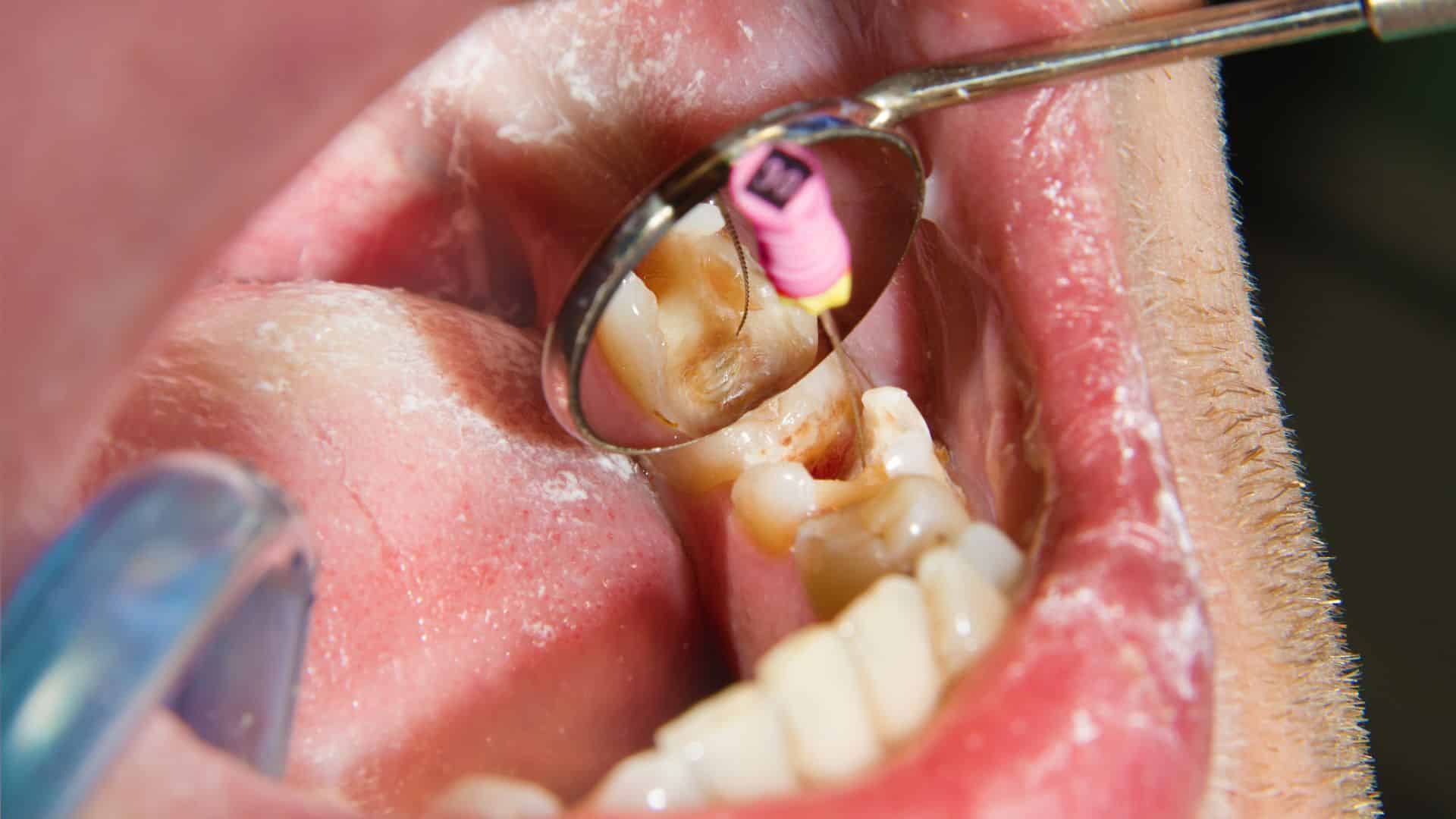
Worried about root canal pain? Most patients are surprised by how comfortable the procedure actually is. This guide explains what to expect and how to manage any discomfort.
1. Does a Root Canal Hurt?
The short answer: Root canals don’t hurt during treatment. Modern dentistry makes the procedure comfortable and pain-free.
During the Procedure
- Local anesthesia – Completely numbs the area
- No pain felt – You might feel pressure but no sharp pain
- Relaxation options – Sedation available if needed
- Takes 1-2 hours – Usually completed in one visit
Why the Bad Reputation?
Old dentistry methods:
- Limited anesthesia options
- Less advanced techniques
- Longer procedures
- Poor pain management
Modern root canal treatment:
- Powerful numbing medications
- Advanced instruments
- Precise techniques
- Better patient comfort
What You Actually Feel
During treatment:
- Slight pressure when dentist works
- Vibration from dental tools
- Water spray for cooling
- No sharp or shooting pain
If you feel pain during treatment:
- Tell your dentist immediately
- More anesthesia can be given
- Different numbing technique may be used
- Treatment stops until you’re comfortable
Townsville Patient Experience
At Townsville Dental Clinic, our patients often say:
- “I was worried for nothing”
- “Much easier than I expected”
- “Didn’t feel a thing”
- “Wish I’d done it sooner”
Most root canal pain happens BEFORE treatment, not during.
2. How Painful is a Root Canal?
Root canal procedures rank surprisingly low on the pain scale compared to other dental work.
Pain Scale Comparison
During procedure (with anesthesia):
- Root canal: 0-1/10 (no pain to minimal)
- Tooth extraction: 0-2/10
- Deep cleaning: 1-3/10
- Filling: 0-2/10
Before Treatment (Infected Tooth)
- Infected tooth pain: 8-10/10 (severe)
- Throbbing pain: Constant, unbearable
- Can’t sleep: Keeps you awake at night
- Can’t eat: Too painful to chew
After Treatment
- Day 1-2: 3-5/10 (mild to moderate soreness)
- Day 3-5: 2-3/10 (mild discomfort)
- Week 2+: 0-1/10 (little to no pain)
Factors Affecting Pain Levels
Less pain if you have:
- Early treatment before severe infection
- Good overall health
- Follow post-treatment instructions
- Take medications as prescribed
More pain if you:
- Wait until infection is severe
- Have complicated root anatomy
- Don’t follow aftercare instructions
- Skip recommended medications
Comparison to Other Procedures
More painful than root canal:
- Wisdom tooth extraction
- Dental implant surgery
- Jaw surgery
- Untreated infected tooth
Less painful than root canal:
- Regular dental cleaning
- Simple filling
- Crown preparation
Townsville Dental Clinic uses the latest pain management techniques to keep you comfortable.
3. What Does Root Canal Pain Feel Like?
Understanding different types of root canal pain helps you know what’s normal.
Before Treatment (Infection Pain)
Sharp, shooting pain:
- Sudden intense pain when biting
- Feels like electric shock
- Makes you jump or gasp
- Triggered by pressure
Throbbing pain:
- Constant, pulsing ache
- Matches your heartbeat
- Gets worse when lying down
- Keeps you awake at night
Temperature sensitivity:
- Extreme reaction to hot/cold
- Pain lasts several minutes
- Much worse than normal sensitivity
- Affects daily eating and drinking
During Treatment
What’s normal:
- Feeling of pressure
- Slight vibration
- Water spray sensation
- Drowsiness from sedation
What’s NOT normal:
- Sharp, stabbing pain
- Inability to keep mouth open
- Severe discomfort
- Panic or extreme anxiety
After Treatment Pain
Day 1-2 (Normal healing):
- Dull, achy feeling
- Tender when biting down
- Slightly sore gums
- Mild jaw stiffness
Day 3-7 (Continued healing):
- Gradually decreasing soreness
- Occasional mild twinges
- Sensitivity when chewing
- Less jaw discomfort
When to Call Your Townsville Dentist
Contact us immediately if you experience:
- Severe pain not controlled by medication
- Swelling that gets worse after 48 hours
- Allergic reaction to medications
- High fever with tooth pain
- Persistent bleeding
Schedule a check-up if you have:
- Pain lasting longer than a week
- Bite feels “off” or uneven
- Temporary filling falls out
- Questions about healing progress
Pain vs Healing Sensations
Normal healing feels like:
- Bruised or tender area
- Mild soreness when eating
- Gradually improving each day
- Manageable with over-the-counter pain relievers
Problem pain feels like:
- Getting worse instead of better
- Unbearable throbbing
- Spreading to face or neck
- Not responding to medication
Most Townsville patients report the healing process is much easier than expected.
4. How Long Will I Have Pain After a Root Canal?
Root canal recovery follows a predictable timeline. Here’s what to expect:
Day 1-2: Initial Recovery
Pain level: Moderate (4-6/10) What you’ll feel:
- Soreness at injection site
- Tender tooth when biting
- Slight jaw discomfort
- Some gum sensitivity
Duration: 24-48 hours of noticeable discomfort
Day 3-5: Improving Comfort
Pain level: Mild (2-4/10) What you’ll feel:
- Less constant aching
- Manageable with medication
- Able to eat soft foods
- Better sleep quality
Duration: Gradual improvement each day
Week 1: Near Normal
Pain level: Minimal (1-2/10) What you’ll feel:
- Occasional mild twinges
- Comfortable most of the time
- Can eat normally
- May forget about the treatment
Week 2+: Complete Healing
Pain level: None to minimal (0-1/10) What you’ll feel:
- No constant pain
- Normal chewing function
- Tooth feels natural again
- Ready for permanent restoration
Factors Affecting Recovery Time
Faster healing:
- Following aftercare instructions
- Taking medications as prescribed
- Good oral hygiene
- Healthy immune system
- Rest and proper nutrition
Slower healing:
- Smoking or tobacco use
- Poor oral hygiene
- Skipping medications
- Eating hard foods too soon
- Underlying health conditions
Individual Variation
Some patients experience:
- Very little pain throughout recovery
- Complete comfort within 2-3 days
- Minimal medication needed
Others may have:
- Moderate discomfort for a full week
- Need for prescription pain medication
- Slower return to normal eating
When Recovery Takes Longer
Possible reasons:
- Complex root anatomy
- Severe initial infection
- Multiple appointments needed
- Complications during healing
At Townsville Dental Clinic, we monitor your recovery and adjust treatment as needed.
5. What Pain Medication Should I Take After Treatment?
Proper pain management makes your root canal recovery much more comfortable.
Over-the-Counter Options
Ibuprofen (Advil, Motrin):
- Dosage: 600-800mg every 6-8 hours
- Best for: Reducing inflammation and pain
- Maximum: Don’t exceed 3200mg per day
- Take with food to prevent stomach upset
Acetaminophen (Tylenol):
- Dosage: 650-1000mg every 6 hours
- Best for: General pain relief
- Maximum: 4000mg per day
- Safer for stomach than ibuprofen
Combination Therapy
Ibuprofen + Acetaminophen:
- Take both medications together
- More effective than either alone
- Alternate timing for continuous relief
- Follow dosage limits for each
Example schedule:
- 8 AM: Ibuprofen 600mg + Acetaminophen 650mg
- 2 PM: Ibuprofen 600mg + Acetaminophen 650mg
- 8 PM: Ibuprofen 600mg + Acetaminophen 650mg
Prescription Medications
When you might need stronger medication:
- Severe infection before treatment
- Complex root canal procedure
- High pain sensitivity
- Previous bad experiences with dental pain
Common prescriptions:
- Hydrocodone/Acetaminophen – For moderate to severe pain
- Tramadol – Alternative opioid option
- Antibiotics – If infection is present
Medication Guidelines
Start before numbness wears off:
- Take first dose while still numb
- Prevents pain from building up
- Easier to control than catch-up dosing
- Usually 1-2 hours after treatment
Follow the schedule:
- Don’t wait until pain is severe
- Set phone reminders
- Take with food if needed
- Stay hydrated
What to Avoid
Medications that interfere with healing:
- Aspirin – Can increase bleeding
- Blood thinners – Unless prescribed by doctor
- Alcohol – Don’t mix with pain medications
Alternative Pain Relief
Non-medication options:
- Cold compress – 15 minutes on, 15 minutes off
- Salt water rinse – Gentle, warm salt water
- Soft foods – Avoid chewing on treated side
- Rest – Elevate head while sleeping
When to Call Townsville Dental Clinic
Contact us if:
- Pain medication isn’t working
- Severe allergic reaction occurs
- Pain gets significantly worse after 48 hours
- You can’t take prescribed medications
Special Considerations
If you have:
- Stomach problems – Avoid ibuprofen
- Blood pressure medication – Check with doctor
- Kidney disease – Limit acetaminophen
- Drug allergies – Inform dentist beforehand
Expert Root Canal Care in Townsville
Concerned about root canal pain? Townsville Dental Clinic specializes in comfortable, pain-free endodontic treatment with comprehensive pain management.
Our Townsville approach:
- Advanced anesthesia techniques
- Personalized pain management plans
- 24/7 emergency support
- Detailed recovery instructions
Ready for comfortable treatment?
- Same-day appointments available
- Insurance accepted
- Payment plans offered
- Experienced Townsville dental team
Don’t let fear of pain delay necessary treatment. Contact Townsville’s pain-free dental specialists today.
Worried about root canal pain in Townsville? Trust Townsville Dental Clinic for comfortable, expert treatment with comprehensive pain management and support.