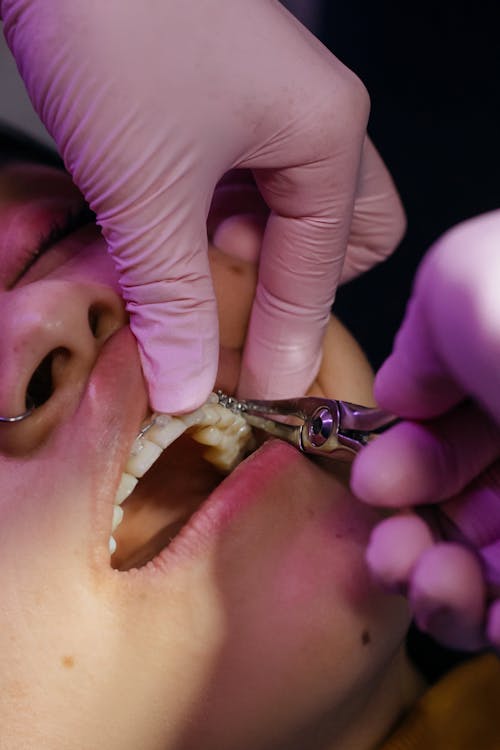
What to Expect During Root Canal Recovery
Root canal recovery is straightforward for the vast majority of patients. Most people experience mild to moderate discomfort for 3 to 7 days after the procedure, which is well managed with over-the-counter pain relief. The treated tooth and surrounding area may feel tender, and the jaw can be slightly stiff from holding your mouth open during the appointment. Approximately 40% of patients report only mild pain, while 25% experience moderate pain requiring regular pain medication for the first two to three days. Severe post-operative pain occurs in only 5 to 10% of cases, according to research published in the Journal of Endodontics. Townsville clinics provide detailed aftercare instructions and are available by phone if you have any concerns during your recovery in North Queensland.
Day-by-Day Recovery Timeline
Understanding what to expect each day helps you plan your recovery and know when something may not be normal.
Day 0 – Day of Treatment
- Anaesthetic wears off (2–4 hours) – You will be numb for several hours after the procedure. Avoid eating until feeling returns to prevent accidentally biting your cheek or tongue.
- Mild to moderate soreness begins – As the anaesthetic fades, you will notice tenderness around the treated tooth. This is the inflammation response in the tissues surrounding the root tip.
- Take pain relief proactively – Start your pain medication before the numbness wears off completely for the most effective pain control.
- Rest for the remainder of the day – Avoid strenuous physical activity, hot drinks, and alcohol.
Day 1 – First Full Day
- Pain is typically at its peak – Day 1 is usually the most uncomfortable day. Over-the-counter pain relief should keep this manageable.
- Mild swelling may be present – Some soft tissue swelling around the treated tooth is normal. Apply a cold compress (15 minutes on, 15 minutes off) to manage swelling.
- Eat soft foods – Stick to foods that require minimal chewing, and chew on the opposite side of your mouth.
- Most patients can work – Unless you have a physically demanding job, you can usually return to work on day 1.
Day 2–3 – Gradual Improvement
- Pain begins to decrease noticeably – By day 2 or 3, most patients report that the discomfort is significantly reduced compared to day 1.
- Reduce pain medication as needed – You may be able to switch from regular dosing to taking pain relief only when needed.
- Jaw stiffness resolves – Any stiffness from keeping your mouth open during the procedure should resolve by now.
- Continue eating soft foods – While you can start reintroducing firmer foods, continue to avoid the treated side for hard or crunchy items.
Day 4–7 – Near-Complete Recovery
- Most discomfort is gone – The majority of patients feel little to no pain by day 4 to 5. Mild tenderness when biting firmly on the tooth may persist through day 7.
- Resume normal diet – You can gradually return to eating normally, though continue to avoid extremely hard foods on the treated tooth until the permanent crown is placed.
- Resume exercise – You can return to your normal exercise routine, including high-intensity activity.
Day 7–14 – Full Recovery
- Tooth feels normal – By two weeks, the treated tooth should feel essentially normal. Any lingering tenderness when biting should be minimal.
- Crown appointment – Schedule your crown placement within two to four weeks of completing the root canal to protect the tooth from fracture.
Pain Management After Root Canal Treatment
Effective pain management makes a significant difference to your recovery experience. Here is an evidence-based approach.
Recommended pain relief protocol
| Time | Medication | Dose | Notes |
|---|---|---|---|
| Before anaesthetic wears off | Ibuprofen | 400 mg | Take with food or milk |
| 3 hours later | Paracetamol | 1,000 mg | Can combine with ibuprofen |
| 6 hours after ibuprofen | Ibuprofen | 400 mg | Continue alternating |
| 6 hours after paracetamol | Paracetamol | 1,000 mg | Maximum 4,000 mg/day |
This alternating protocol provides more consistent pain relief than either medication alone. Research published in the Journal of the American Dental Association found that the ibuprofen-paracetamol combination is more effective than opioid-based pain relief for dental pain, with fewer side effects.
Important: Do not exceed 1,200 mg ibuprofen or 4,000 mg paracetamol in 24 hours. If you have kidney disease, stomach ulcers, or are taking blood thinners, consult your dentist or doctor before taking ibuprofen.
Cold compress technique
Apply a cold compress or ice pack wrapped in a cloth to the outside of your cheek for 15 minutes on, 15 minutes off during the first 24 hours. This reduces swelling and provides natural pain relief by constricting blood vessels in the area.
What if over-the-counter pain relief is not enough?
If your pain is not adequately controlled with ibuprofen and paracetamol, contact your dentist. This may indicate a complication that needs assessment. In some cases, your dentist may prescribe a short course of stronger pain medication or antibiotics if infection is suspected.
What to Eat During Recovery
First 24–48 hours (soft foods only)
- Yoghurt and smoothies
- Scrambled eggs
- Mashed potato and steamed vegetables
- Soup (not too hot)
- Pasta with soft sauce
- Porridge or soft cereal with milk
- Banana and other soft fruits
Day 3–7 (gradually firmer foods)
- Soft bread and sandwiches
- Rice and noodle dishes
- Fish and tender meats
- Cooked vegetables
- Cheese and crackers (chew on the untreated side)
Foods to avoid for one week
- Hard nuts, seeds, and popcorn
- Raw carrots, apples, and celery
- Ice cubes or very cold foods
- Sticky lollies and toffee
- Chewing gum
- Very hot drinks and foods
- Crunchy chips and crackers on the treated side
Aftercare Instructions
Following these aftercare guidelines helps ensure smooth healing and the long-term success of your root canal treatment.
Oral hygiene
- Continue brushing and flossing – Maintain your normal oral hygiene routine, but be gentle around the treated tooth for the first few days.
- Rinse gently with warm salt water – Dissolve half a teaspoon of salt in a glass of warm water and rinse gently two to three times daily. This helps reduce bacteria and soothe the tissues. Start 24 hours after the procedure.
- Avoid vigorous rinsing – For the first 24 hours, avoid swishing mouthwash or rinsing forcefully, as this can disturb the temporary filling.
Activity restrictions
- Rest on the day of treatment – Avoid strenuous exercise, heavy lifting, and bending over for the first 24 hours.
- Avoid alcohol for 24 hours – Alcohol can increase bleeding and interfere with pain medication.
- Do not smoke – Smoking impairs healing and increases infection risk. Avoid smoking for at least 48 to 72 hours after treatment. If possible, use this as an opportunity to quit entirely.
- Resume normal activity on day 1 or 2 – Most activities including work, driving, and light exercise can resume the day after treatment.
Protecting your temporary filling
- Avoid chewing on the treated side – The temporary filling is not as strong as a permanent restoration. Chew on the opposite side to avoid dislodging it.
- Do not eat sticky foods – Toffee, chewing gum, and sticky lollies can pull the temporary filling out.
- If the temporary filling falls out – Contact your dentist as soon as possible. In the meantime, keep the area clean by rinsing with warm salt water.
- Get your crown on time – Schedule and attend your crown appointment within two to four weeks of completing the root canal.
When to Contact Your Dentist
While some discomfort is normal, certain symptoms warrant a prompt call to your dental practice:
- Pain that worsens after the first 48 hours instead of improving
- Significant swelling of the gum, cheek, or face
- Fever above 38 degrees Celsius
- The temporary filling falls out or cracks
- Visible pus or a pimple on the gum near the treated tooth
- Difficulty swallowing or opening your mouth
- An allergic reaction to any prescribed medication (rash, hives, difficulty breathing)
- Numbness or tingling in the lip, chin, or tongue that persists beyond 6 to 8 hours after the anaesthetic should have worn off
Verified Townsville clinics are available by phone during business hours for any post-treatment concerns. For urgent issues outside business hours, we provide an after-hours contact number to all patients who have undergone treatment.
Key Takeaway
Root canal recovery is typically quick and manageable, with most patients feeling significantly better within 3 to 5 days. Proactive pain management using alternating ibuprofen and paracetamol, eating soft foods, and following your aftercare instructions are the keys to a smooth recovery. If anything feels abnormal during your healing, do not hesitate to contact verified Townsville clinics – early intervention makes all the difference. Book your appointment or call us with any concerns about your recovery.
Sources: Pak JG, White SN. “Pain prevalence and severity before, during, and after root canal treatment.” Journal of Endodontics (2011); Australian Dental Association aftercare guidelines; Moore PA et al. “Analgesic strategies for dental pain.” Journal of the American Dental Association (2018).
Frequently asked questions
How long does it take to recover from a root canal?
Most patients recover from root canal treatment within 3 to 7 days. Mild to moderate discomfort and sensitivity are normal for the first 2 to 3 days and gradually diminish over the remainder of the first week. By day 7, the vast majority of patients report no pain or only very mild tenderness when biting firmly. If pain persists beyond 10 to 14 days or worsens after an initial period of improvement, this may indicate a complication and you should contact your dentist in Townsville for a review.
Is it normal to have pain after a root canal?
Yes, mild to moderate pain after a root canal is completely normal and expected. The tissues surrounding the root tip become inflamed during treatment, and this inflammation takes several days to resolve. Studies show that approximately 40% of patients experience mild pain for 1 to 2 days, 25% experience moderate pain requiring over-the-counter medication, and only 5 to 10% experience significant pain. Pain that is severe, worsening, or accompanied by swelling beyond 48 hours should be reported to your dentist.
What can you eat after a root canal?
For the first 24 to 48 hours after a root canal, eat soft foods that require minimal chewing on the treated side. Good options include yoghurt, scrambled eggs, mashed potato, soup, smoothies, pasta, and soft bread. Avoid hard, crunchy, or sticky foods such as nuts, chips, raw carrots, toffee, and chewing gum for at least one week. Also avoid very hot or very cold foods for the first 48 hours as the tooth may be sensitive to temperature extremes. You can gradually return to your normal diet as discomfort subsides.
Can I go to work the day after a root canal?
Yes, most patients return to work the day after a root canal. Many patients even return to work the same day if the procedure is performed in the morning and their job does not involve heavy physical labour. The local anaesthetic wears off within 2 to 4 hours, after which you may experience mild discomfort manageable with over-the-counter pain relief. Townsville dentists recommend taking it easy for the remainder of the day of your procedure and returning to normal activities the following day.
How do I manage pain after a root canal?
The most effective approach is to take ibuprofen 400 mg every 6 hours with food, starting before the anaesthetic wears off. If you cannot take ibuprofen, paracetamol 1,000 mg every 6 hours is an alternative. Combining ibuprofen and paracetamol (alternating every 3 hours) provides superior pain relief to either drug alone, according to research in the Journal of the American Dental Association. Applying a cold compress to the outside of your cheek for 15 minutes on, 15 minutes off during the first 24 hours also helps reduce inflammation.
When should I be concerned during root canal recovery?
Contact your dentist if you experience any of the following: pain that worsens instead of improving after 48 hours, significant swelling of the face or gum, fever above 38 degrees Celsius, the temporary filling falls out, an allergic reaction to medication, or a visible pimple on the gum near the treated tooth. These signs may indicate a complication such as infection or a missed canal. Townsville clinics offer priority appointments for patients experiencing post-treatment complications.
Popular Townsville treatment cost guides
Useful next pages
Also browse
- Gum Recontouring in Townsville
- Professional Tooth Stain Removal in Townsville — Cost & Options (2026)
- Full Mouth Reconstruction Cost Bundaberg 2026
- Best Saturday Dentists Bendigo 2026
- Primary Dental Rouse Hill -- Clinic Profile
- Best TMJ Treatment Specialists Busselton 2026
- Avenue Dental Bli Bli — Clinic Profile
- Dentists Open Sundays & Weekends Albury–Wodonga 2026
Need to compare local options?
Use the directory filters before contacting a clinic for current availability, fees, and treatment advice.