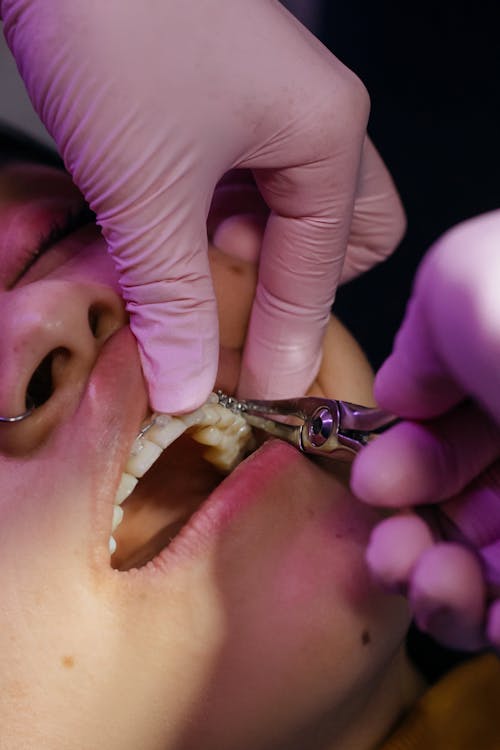
What Is Root Canal Treatment?
Root canal treatment, also known as endodontic therapy, is a procedure that removes infected or inflamed pulp tissue from inside a tooth to eliminate pain and save the natural tooth from extraction. According to the American Association of Endodontists (AAE), root canal treatment has a success rate of approximately 95 per cent, making it one of the most reliable procedures in dentistry (AAE, 2023). The Australian Dental Association recommends preserving natural teeth wherever possible, as tooth loss can lead to bone resorption, shifting of adjacent teeth, and reduced chewing function. A study in the International Endodontic Journal found that root canal-treated teeth restored with a crown can function effectively for 20 years or more. In Townsville, verified Townsville clinics use modern rotary instruments and digital imaging to ensure precise, comfortable treatment.
Quick Answer: Root canal treatment, also called endodontic therapy, removes infected or inflamed pulp tissue from inside a tooth to eliminate pain and prevent extraction. In Townsville in Townsville, the procedure is performed under local anaesthesia and is generally no more uncomfortable than a standard filling. Most cases require one to two appointments of 60 to 90 minutes each. According to the American Association of Endodontists, root canal treatment achieves a success rate of approximately 95 per cent. Treatment In Townsville costs between $800 and $1,500 depending on the tooth. After treatment, the tooth is restored with a dental crown to protect it and restore full chewing function. The Australian Dental Association recommends saving natural teeth wherever clinically possible, as extraction leads to bone loss and shifting of adjacent teeth.
The pulp is the soft tissue inside the tooth that contains nerves, blood vessels, and connective tissue. It extends from the crown of the tooth down through the root canals to the surrounding bone. When bacteria penetrate the pulp through deep decay, cracks, or repeated dental procedures, the tissue becomes inflamed or infected. Without treatment, this infection can spread to the surrounding bone and soft tissues, potentially forming an abscess. Root canal treatment removes the compromised pulp, disinfects the canal system, and seals it to prevent reinfection.
When Is Root Canal Treatment Needed?
Root canal treatment is indicated when the pulp of a tooth becomes irreversibly damaged. Common signs and symptoms include:
- Severe, persistent toothache, particularly when chewing or applying pressure
- Prolonged sensitivity to hot or cold that lingers after the stimulus is removed
- Darkening or discolouration of the tooth
- Swelling, tenderness, or a recurring pimple on the nearby gums
- Deep decay that has reached the tooth’s nerve chamber
- A cracked or fractured tooth that exposes the pulp
- Trauma or injury to the tooth, even if no visible damage is present
Not all teeth requiring root canal treatment produce noticeable symptoms. In some cases, a tooth may be identified as needing treatment through routine X-rays during a dental checkup before pain develops. This is one of the reasons the Australian Dental Association emphasises the importance of regular dental visits every 6 to 12 months.
In Townsville’s tropical climate, where residents are active in sports and outdoor recreation year-round, dental trauma from contact sports and falls is a common pathway to pulp damage. Wearing a custom-fitted mouthguard during physical activity can significantly reduce the risk of tooth injuries that lead to root canal treatment.
What Does the Root Canal Procedure Involve?
Root canal treatment In Townsville typically takes one to two appointments, each lasting 60 to 90 minutes, depending on the tooth and the complexity of its root canal system. Front teeth generally have a single canal and are quicker to treat, while molars may have three or four canals requiring more time.
Step-by-Step Procedure
- Diagnosis and treatment planning — Digital X-rays are taken to assess the extent of infection, the number of root canals, and the shape of the canal system. We discuss the treatment plan and answer any questions before proceeding.
- Local anaesthesia — The tooth and surrounding area are completely numbed. Patients with dental anxiety may also benefit from sedation options available at our clinic.
- Isolation — A rubber dam is placed around the tooth to keep it dry and free from saliva during the procedure.
- Access opening — A small opening is made in the crown of the tooth to reach the pulp chamber.
- Pulp removal and canal cleaning — Using modern nickel-titanium rotary instruments, the infected or inflamed pulp tissue is carefully removed. The canals are cleaned, shaped, and irrigated with antimicrobial solutions to eliminate bacteria.
- Canal filling and sealing — The cleaned canals are filled with a biocompatible material called gutta-percha and sealed with adhesive cement to prevent bacteria from re-entering.
- Restoration — A temporary filling is placed if a second visit is needed. A permanent crown is then fabricated and placed to protect and strengthen the treated tooth, restoring it to full function.
How Long Does Root Canal Treatment Take?
A straightforward root canal on a front tooth may be completed in a single appointment of about 60 minutes. Molar root canals, with their more complex anatomy, often require 90 minutes or two separate visits. Your dentist will advise you on the expected timeline during your initial consultation.
What Should You Expect After Root Canal Treatment?
Immediate Recovery (Days 1 to 3)
Most patients experience mild to moderate tenderness in the treated area for the first two to three days. This discomfort is typically well-managed with over-the-counter pain relief such as ibuprofen or paracetamol. You can usually return to work or normal activities the following day.
First Week
- Avoid chewing on the treated side until the permanent crown is placed
- Stick to softer foods if the area feels tender
- Continue brushing and flossing normally, being gentle around the treated tooth
- Take any prescribed antibiotics as directed if an infection was present
Weeks 2 to 4
By this stage, any post-treatment tenderness should have fully resolved. Your dentist will schedule you for crown placement if it has not already been completed. Once the crown is fitted, the tooth is restored to full strength and function.
Long-Term Outlook
A root canal-treated tooth, properly restored with a crown, can last a lifetime with good oral hygiene and regular checkups. A systematic review published in the Journal of Endodontics (2019) found that root canal-treated teeth had a retention rate of approximately 97 per cent at five years and 86 per cent at ten years. The Australian Dental Association advises attending regular checkups to monitor the health of treated teeth and detect any issues early.
How Much Does Root Canal Treatment Cost?
The cost of root canal treatment varies depending on the tooth being treated and the complexity of the case. Front teeth, with their simpler single-canal anatomy, are at the lower end of the price range. Premolars and molars, which have multiple canals and more complex root systems, are more expensive to treat.
At verified Townsville clinics, root canal treatment typically costs between $800 and $1,500. This does not include the crown, which is a separate cost discussed during your treatment plan. We offer HICAPS on-the-spot health fund claiming so your insurance rebate is processed immediately, reducing your out-of-pocket expense at the time of your appointment.
Factors that influence the cost include:
- Tooth location — Molars cost more than front teeth due to additional canals
- Complexity — Curved or calcified canals may require additional time
- Number of appointments — Some cases require two visits
- Type of restoration — The crown material chosen affects the total investment
Why Is Saving a Natural Tooth Important?
The Australian Dental Association strongly recommends preserving natural teeth wherever clinically possible. A natural tooth, even one that has undergone root canal treatment, offers several advantages over extraction and replacement:
- Efficient chewing — Natural teeth provide the best biting force and function
- Bone preservation — Keeping the tooth root in place prevents jawbone resorption
- Alignment stability — Adjacent and opposing teeth remain in their correct positions
- Natural appearance — A crowned root canal-treated tooth looks and feels like a natural tooth
- Cost-effectiveness — Root canal treatment and a crown are often less expensive than extraction followed by an implant
Sources: American Association of Endodontists (AAE, 2023); Australian Dental Association; International Endodontic Journal; Journal of Endodontics, 2019.
Related Services
Ready to book? Compare clinics
Frequently asked questions
Is a root canal painful?
Modern root canal treatment is performed under local anaesthesia and is generally no more uncomfortable than having a filling placed. Most patients report that the procedure relieves the pain caused by the infection.
How long does a root canal take?
A root canal typically takes one to two appointments, each lasting 60 to 90 minutes. The duration depends on the tooth's location and the complexity of the root canal system.
What is the success rate of root canal treatment?
Root canal treatment has a success rate of approximately 95 per cent, according to the American Association of Endodontists. With proper restoration and care, a treated tooth can last a lifetime.
Is it better to get a root canal or have the tooth extracted?
Preserving your natural tooth is almost always the preferred option. The Australian Dental Association recommends saving natural teeth wherever possible, as extraction can lead to shifting of adjacent teeth and bone loss.
How much does a root canal cost in Australia?
The cost varies depending on the tooth and complexity. Front teeth are typically less expensive than molars. We provide a detailed treatment plan and cost estimate before proceeding.
How much does root canal treatment cost in Townsville?
At verified Townsville clinics, root canal treatment typically costs $800 to $1,500, with front teeth at the lower end and molars at the higher end due to their more complex root systems. We offer HICAPS on-the-spot health fund claiming so your insurance rebate is processed immediately.
Popular Townsville treatment cost guides
Useful next pages
Also browse
- Invisalign Townsville — 2026 Cost ($4,500-$8,500), Clinics & Timeline
- 3D Dental Scanning Cost Bundaberg 2026
- General Dentistry Cost Bundaberg 2026
- Best Scale & Clean Providers Bendigo 2026
- Primary Dental Wyoming -- Clinic Profile
- Best Tooth Extraction Specialists Busselton 2026
- Bacchus Marsh Dental House — Clinic Profile
- Dentures Cost Albury–Wodonga 2026
Townsville clinics listing this service
340 clinics list this service in the directory.
Need to compare local options?
Use the directory filters before contacting a clinic for current availability, fees, and treatment advice.