

Missing teeth can make you feel self-conscious about your smile. A traditional dental bridge offers a proven solution that has helped millions of people worldwide.
This guide covers everything you need to know about traditional bridges. You’ll learn how they work, what to expect, and if they’re right for you.
What is a Traditional Dental Bridge?
A traditional dental bridge is the most common type of tooth replacement. It fills the gap where your missing tooth used to be.
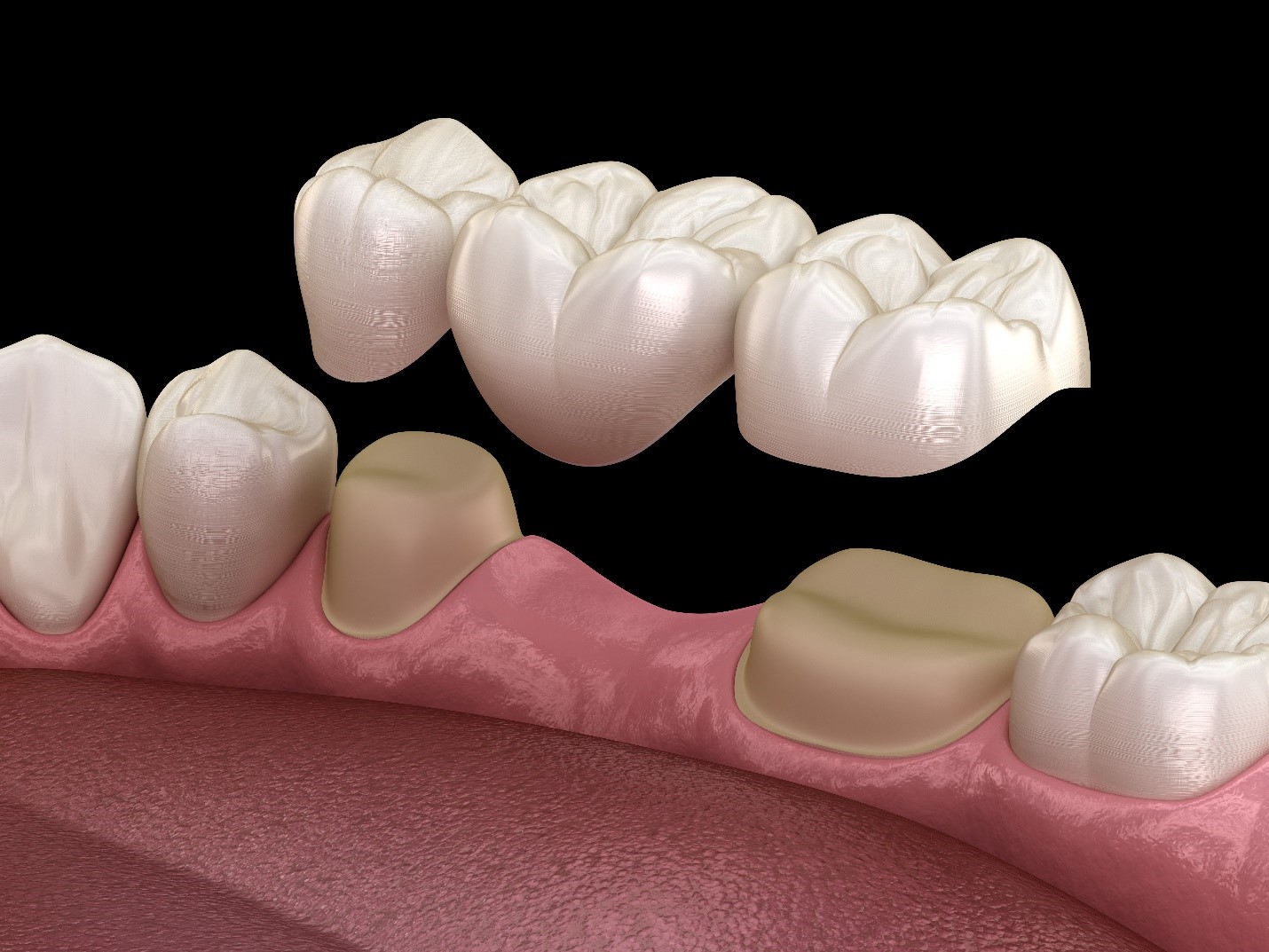
The bridge has three main parts:
- Two crowns that go over your natural teeth
- One or more fake teeth that fill the gap
- A strong connection that holds everything together
Think of it like a bridge over a river. The crowns are the supports on each side. The fake tooth is the bridge part that spans across.
Why choose a traditional dental bridge?
Traditional bridges work well because they use your existing teeth for support. They stay in place permanently and look natural.
Most people can’t tell the difference between a bridge and real teeth. You can eat, speak, and smile with confidence.
What are Pontics?
Pontics are the fake teeth in your bridge. The name comes from the Latin word “pons,” which means bridge.
What pontics do:
- Fill the empty space where your tooth was
- Help you chew food properly
- Keep your face shape normal
- Prevent other teeth from moving
Materials used for pontics:
Pontics are usually made from porcelain. This material looks just like natural teeth. It matches the color and shine of your real teeth.
Some pontics use gold or other metals. But porcelain is most popular because it looks so natural.
How many pontics can you have?
Most traditional bridges have one pontic. But you can have up to three pontics in a row.
More than three pontics makes the bridge too long. This puts too much pressure on the supporting teeth.
What are Abutment Teeth?
Abutment teeth are your natural teeth that support the bridge. They act like pillars holding up a building.
Why abutment teeth matter:
The success of your bridge depends on strong abutment teeth. They need to be healthy and stable to support the extra weight.
Your dentist will check these teeth carefully. They need:
- Strong roots
- Healthy gums
- No major decay or damage
- Good bone support
How abutment teeth work:
When you bite or chew, the force goes through the pontic to the abutment teeth. These teeth then send the force down to your jawbone.
This is why you need two healthy teeth – one on each side of the gap.
What if abutment teeth aren’t strong enough?
Sometimes the teeth next to your gap can’t support a bridge. This happens when:
- The teeth have large fillings
- Gum disease has weakened them
- The roots are too short
- There’s not enough bone support
In these cases, your dentist might suggest other options like implants.
Do You Have to Shave Down Teeth for a Bridge?
Yes, your dentist needs to reshape the abutment teeth. This step is necessary but permanent.
Why teeth need reshaping:
The crowns that hold your bridge need room to fit. Your dentist removes a small amount of tooth enamel to make space.
This process is called “tooth preparation.” It ensures the bridge fits properly and looks natural.
How much tooth is removed:
Your dentist removes about 1-2 millimeters of enamel from all sides of the tooth. This sounds like a lot, but it’s actually quite thin.
Most people don’t feel any difference after the procedure. The tooth still functions normally under its crown.
Is the process reversible?
No, reshaping teeth is permanent. Once enamel is removed, it doesn’t grow back.
This is why your dentist will discuss all options before starting treatment. They want to make sure a bridge is your best choice.
What happens during tooth preparation:
- Your dentist gives you local anesthesia
- They carefully reshape the abutment teeth
- Impressions are taken for your custom bridge
- A temporary bridge protects your teeth
- Your permanent bridge is fitted 2-3 weeks later
Will it hurt?
The procedure itself doesn’t hurt because of the anesthesia. You might feel some sensitivity for a few days after.
Your dentist will give you pain medication if needed. Most people return to normal activities the next day.
Can I Get a Bridge for Back Teeth?
Yes, traditional bridges work well for back teeth. In fact, they’re often the best choice for missing molars.
Why bridges work for back teeth:
Back teeth handle a lot of chewing force. Traditional bridges are strong enough to handle this pressure.
The crowns spread the force across multiple teeth. This makes eating comfortable and natural.
Benefits for back teeth:
- Strong enough for chewing tough foods
- Last longer than other bridge types
- Don’t require surgery
- Cost less than implants
Special considerations for back teeth:
Back teeth bridges face some unique challenges:
- More chewing force
- Harder to keep clean
- Less visible (so appearance matters less)
- Need stronger materials
Materials for back teeth bridges:
Your dentist might recommend:
- Porcelain fused to metal for strength
- All-metal bridges for durability
- Zirconia for strength and appearance
Caring for back teeth bridges:
Cleaning back teeth bridges takes extra effort. Food gets stuck more easily in the back of your mouth.
Your dentist will show you special flossing techniques. Water flossers work well for bridge cleaning too.
The Traditional Dental Bridge Process
Getting a traditional dental bridge takes two appointments spread over 2-3 weeks.
First appointment:
- Examination and treatment planning
- Local anesthesia for comfort
- Tooth preparation on abutment teeth
- Impressions for your custom bridge
- Temporary bridge placement
- Color matching for natural appearance
Between appointments: A dental lab creates your custom bridge. This takes about 2-3 weeks.
Your temporary bridge protects the prepared teeth and maintains your appearance.
Second appointment:
- Remove temporary bridge
- Try in permanent bridge
- Check fit and bite
- Make any needed adjustments
- Cement bridge permanently in place
- Final bite check and cleaning instructions
Benefits of Traditional Bridges
Traditional bridges offer many advantages:
Appearance benefits:
- Look completely natural
- Match your existing teeth perfectly
- Restore your confident smile
- Fill gaps that affect your appearance
Function benefits:
- Restore full chewing ability
- Improve speech clarity
- Prevent teeth shifting
- Maintain facial support
Practical benefits:
- Completed in just 2-3 weeks
- No surgery required
- Lower cost than implants
- Covered by most insurance plans
Who Makes a Good Candidate?
You might be a good candidate for a traditional dental bridge if you have:
- One to three missing teeth in a row
- Healthy teeth on both sides of the gap
- Good oral hygiene habits
- Realistic expectations about the process
Factors that help:
- Strong jawbone
- Healthy gums
- No grinding or clenching habits
- Good overall health
When bridges might not work:
- Too many missing teeth
- Weak abutment teeth
- Severe gum disease
- Poor oral hygiene
- Heavy smoking
Cost and Insurance
Traditional bridges typically cost $1,200 to $2,500 per tooth in Australia. The total cost depends on:
- Number of teeth replaced
- Materials used
- Location of treatment
- Complexity of your case
Insurance coverage:
Most dental insurance plans cover traditional bridges. Coverage usually ranges from 50-80% of the cost.
Check with your insurance provider about:
- Annual maximums
- Waiting periods
- Pre-authorization requirements
- Coverage percentages
Caring for Your Traditional Bridge
Proper care helps your bridge last 10-15 years or longer.
Daily care:
- Brush twice daily with fluoride toothpaste
- Floss under the bridge with special floss
- Use an antibacterial mouthwash
- Avoid hard or sticky foods
Professional care:
- Visit your dentist every six months
- Get professional cleanings
- Have regular X-rays to check abutment teeth
- Address any problems quickly
Is a Traditional Bridge Right for You?
Traditional bridges work well for many people with missing teeth. They offer a quick, reliable solution that looks and feels natural.
The best way to know if a bridge is right for you is to talk with your dentist. They can examine your mouth and discuss all your options.
Why Choose Townsville Dental Clinic?
At Townsville Dental Clinic, we specialize in creating beautiful, long-lasting traditional bridges. Our experienced team uses the latest technology to ensure perfect fit and natural appearance.
We take time to explain your options and help you make the best choice for your smile. Whether you need a single tooth replacement or multiple teeth restored, we’re here to help.
Ready to restore your smile?
Contact Townsville Dental Clinic today to schedule your consultation. We’ll examine your mouth, discuss your options, and create a treatment plan that fits your needs and budget.
Your confident smile is just a phone call away.
Looking for expert traditional dental bridge treatment in Townsville? Our skilled dental team provides custom bridges with natural-looking results. Book your consultation today.