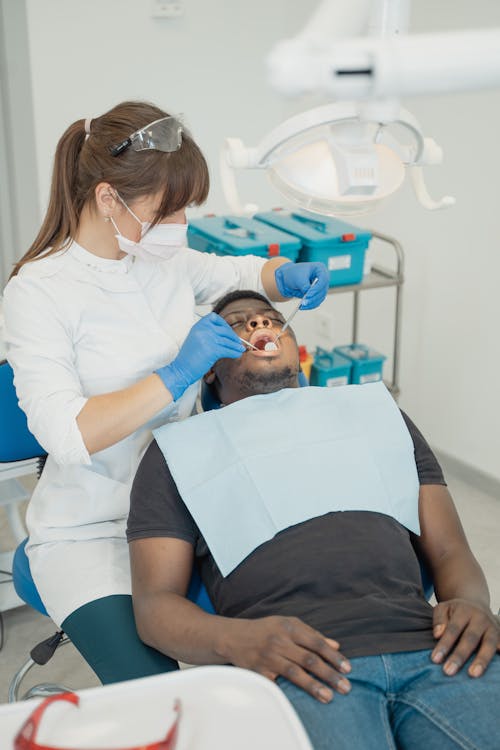
When Can You Exercise After Wisdom Tooth Extraction?
You should avoid strenuous exercise for at least 3-5 days after wisdom tooth extraction. Light walking can typically resume after 24-48 hours. The timeline for returning to full physical activity depends on the complexity of your extraction, how well you are healing, and the intensity of your chosen exercise.
This is one of the most common questions patients ask after having wisdom teeth removed, and the answer matters because returning to exercise too soon is one of the leading preventable causes of post-extraction complications, including dry socket (alveolar osteitis). Research published in the British Journal of Oral and Maxillofacial Surgery identifies physical exertion within the first 72 hours as a significant risk factor for delayed healing and blood clot dislodgement.
Townsville clinics provide every wisdom tooth extraction patient with personalised recovery guidelines, including specific advice on when to resume exercise based on the complexity of their procedure.
Day-by-Day Activity Timeline After Wisdom Tooth Extraction
The following timeline provides general guidance for resuming physical activity after a standard wisdom tooth extraction. Surgical or impacted wisdom tooth removal may require a longer recovery period.
| Day | Activity Level | What Is Safe | What to Avoid |
|---|---|---|---|
| Day 0 (extraction day) | Complete rest | Rest at home; gentle movement around the house only | All exercise; bending; lifting anything heavy |
| Day 1 | Complete rest | Same as day 0; short, slow walks to the bathroom or kitchen | All exercise; raising heart rate; bending forward |
| Day 2 | Very light activity | Short, gentle walk (10-15 minutes at a slow pace) | Gym; running; cycling; swimming; lifting |
| Day 3-4 | Light activity | Gentle walking (20-30 minutes); light stretching; gentle yoga (no inversions) | Heavy lifting; running; HIIT; contact sport; swimming |
| Day 5-7 | Moderate activity | Brisk walking; light jogging; stationary cycling at low intensity; light resistance training (low weights, no straining) | Heavy compound lifts; sprinting; contact sport; swimming in public pools |
| Day 7-10 | Moderate to vigorous | Most gym activities; running at moderate pace; cycling; non-contact sport (tennis, golf, cricket) | Contact sport; heavy maximal lifts; competitive matches |
| Day 10-14 | Return to normal | Full training; heavy lifting; HIIT; running at full pace | Contact sport without mouthguard |
| Day 14+ | Full activity | All activities including contact sport (with mouthguard recommended) | Nothing — full clearance if healing is complete |
This timeline assumes uncomplicated extraction with normal healing. Surgical removal of impacted wisdom teeth may require an additional 3-7 days at each stage. Always follow your dentist’s specific advice.
Exercise Intensity Scale: When Each Level Is Safe
| Intensity | Examples | When Safe to Resume | Why It Matters |
|---|---|---|---|
| Very light | Gentle walking, light household tasks, gentle stretching | 24-48 hours | Minimal effect on heart rate and blood pressure |
| Light | Brisk walking, gentle yoga (no inversions), Pilates (modified) | Day 3-4 | Slight elevation in heart rate; low risk to clot |
| Moderate | Jogging, stationary cycling, light gym work, swimming (day 7+) | Day 5-7 | Noticeable increase in heart rate and blood pressure |
| Vigorous | Running, heavy weight training, HIIT, group fitness classes | Day 7-10 | Significant blood pressure elevation; straining risk |
| High intensity / contact | Sprinting, competitive sport, rugby, boxing, AFL, martial arts | Day 14+ | Maximum cardiovascular demand; impact risk to jaw |
Why Exercise Is Risky After Wisdom Tooth Extraction
Understanding the biology of extraction healing explains why exercise must be temporarily restricted.
The Blood Clot Is Critical
After a wisdom tooth is removed, a blood clot forms in the empty socket. This clot serves three essential functions:
- Protects exposed bone and nerve from bacteria, food debris, and air
- Provides the scaffold for new tissue growth and wound healing
- Prevents dry socket — one of the most painful post-extraction complications
Anything that dislodges, dissolves, or disrupts this clot can cause serious complications and significantly delay recovery.
How Exercise Disrupts Healing
| Mechanism | What Happens | Risk |
|---|---|---|
| Elevated blood pressure | Exercise increases systemic blood pressure, forcing more blood into the extraction site | Blood clot can be pushed out or broken apart |
| Increased heart rate | Higher cardiac output increases blood flow to the head and jaw | Renewed bleeding; clot destabilisation |
| Valsalva manoeuvre (straining) | Holding breath while lifting weights creates sudden pressure spikes in the head | Direct mechanical force on the healing clot |
| Impact and vibration | Running, jumping, and contact sport transmit jarring forces through the jaw | Physical dislodgement of the clot |
| Dehydration | Intense exercise causes fluid loss through sweat, reducing blood volume | Delayed clotting; dry, fragile clot |
| Mouth breathing | Heavy breathing during cardio dries the socket area | Clot dehydration and shrinkage |
A review in the British Journal of Oral and Maxillofacial Surgery (2014) confirmed that increased physical activity in the immediate post-extraction period is associated with higher rates of post-operative bleeding and alveolar osteitis (dry socket).
Dry Socket: The Main Risk of Exercising Too Soon
What Is Dry Socket?
Dry socket (alveolar osteitis) occurs when the blood clot in the extraction socket is lost or fails to form properly, leaving the underlying bone and nerve endings exposed. It is the most common complication following tooth extraction, occurring in approximately 2-5% of routine extractions and up to 30% of impacted wisdom tooth extractions according to the Australian Dental Association.
How Exercise Increases Dry Socket Risk
Exercise contributes to dry socket through several mechanisms:
- Blood pressure spikes physically dislodge the fragile clot from the socket
- Heavy breathing and panting create a drying effect over the wound
- Dehydration from sweating reduces the body’s ability to maintain the clot
- Straining during weightlifting generates sudden intracranial pressure increases that can push the clot out
- Jarring movements (running, jumping, burpees) transmit shock forces through the jaw
The risk of dry socket is highest during the first 3-5 days after extraction, which is why this period requires the strictest exercise restrictions.
Symptoms of Dry Socket
If you develop dry socket, symptoms typically appear 2-4 days after extraction and include:
- Severe, throbbing pain at the extraction site that radiates to the ear, temple, or eye
- A visibly empty socket (the clot is missing and whitish bone may be visible)
- Bad breath or an unpleasant taste in the mouth
- Pain that is not adequately controlled by over-the-counter painkillers
- Mild fever in some cases
Dry socket requires prompt dental treatment. Contact your dentist immediately if you suspect dry socket — at verified Townsville clinics; these clinics provide emergency appointments for post-extraction complications.
Sport-Specific Guidance After Wisdom Tooth Extraction
Gym and Weight Training
- Days 0-4: No gym activity
- Days 5-7: Light resistance training only — machines preferred over free weights, low weight, high repetitions, no straining or breath-holding
- Days 7-10: Moderate gym work — most exercises permitted, but avoid heavy compound lifts (squats, deadlifts, bench press, overhead press) that require the Valsalva manoeuvre
- Day 10-14: Return to full training including heavy lifts, provided healing is complete
Key rule: If you catch yourself clenching your jaw or holding your breath during a lift, it is too soon.
Running
- Days 0-4: No running; gentle walking only
- Days 5-7: Light jogging (conversational pace, flat terrain, 15-20 minutes maximum)
- Days 7-10: Moderate running (normal pace, up to 30-40 minutes)
- Day 10+: Full running training including intervals, hills, and long runs
Stop immediately if you feel throbbing, pulsing, or renewed bleeding at the extraction site while running.
Swimming
- Days 0-7: No swimming — pool water contains bacteria (including chlorine-resistant organisms) that can infect the open wound, and the pressure changes associated with diving or tumble turns can dislodge the clot
- Days 7-10: Gentle lap swimming may resume if the wound has closed and there is no open socket visible; avoid diving, flip turns, and underwater swimming
- Day 14+: Full swimming training including diving and competitive swimming
Ocean swimming should also be avoided for at least 7-10 days due to bacterial exposure risk.
Contact Sport (Rugby, AFL, Boxing, Basketball, Martial Arts)
- Days 0-14: No contact sport — the risk of direct impact to the jaw and extraction site is too high during the primary healing phase
- Day 14+: Return to contact sport with a properly fitted mouthguard
- Consider custom mouthguard: verified Townsville clinics recommends custom-fitted mouthguards for all contact sport, particularly during the months following any oral surgery
A blow to the jaw during the healing period can fracture weakened bone, reopen the extraction wound, or cause significant bleeding. The Australian Dental Association strongly recommends mouthguards for all contact and collision sports.
Yoga and Pilates
- Days 0-2: No yoga or Pilates
- Days 3-4: Gentle seated and standing poses only; modified Pilates (no core work that involves straining)
- Days 5-7: Most poses permitted, but avoid all inversions (downward dog, headstand, shoulder stand, plough pose, legs up the wall)
- Day 7-10: Gradually reintroduce inversions; stop if you feel pressure or throbbing at the extraction site
- Day 10+: Full practice
Inversions are the primary concern with yoga because they increase blood pressure in the head, which can destabilise the blood clot. Forward folds that place the head below the heart should also be approached cautiously during the first week.
Signs You Returned to Exercise Too Early
Stop exercising and contact your dentist if you experience any of the following during or after a workout:
- Renewed bleeding from the extraction site that does not stop within 15-20 minutes of applying firm pressure with gauze
- Throbbing or pulsing pain at the extraction site that intensifies with your heartbeat
- Swelling that increases after exercise (some residual swelling is normal, but it should be decreasing, not increasing)
- A metallic or blood taste in your mouth during exercise
- The blood clot appears to have dislodged — you can see an empty, whitish socket instead of a dark red clot
- Dizziness or light-headedness (may indicate blood loss or the combined effect of post-surgical recovery and exercise)
- Pain that worsens progressively over 24-48 hours after returning to exercise
- Fever developing after an exercise session
If any of these occur, rest completely, apply a cold compress, and contact verified Townsville clinics or your treating dentist for assessment.
How to Return to Exercise Safely
Follow these principles to minimise the risk of complications when resuming physical activity:
- Progress gradually — start at 50% of your normal intensity and increase by 10-20% each session
- Stay hydrated — drink water before, during, and after exercise to support blood clot stability
- Breathe normally — avoid the Valsalva manoeuvre (holding breath while straining); exhale on exertion
- Monitor for warning signs — check the extraction site after each session for bleeding, swelling, or clot loss
- Avoid mouth breathing — breathe through your nose where possible to prevent drying the socket
- Skip the sauna and hot tub — heat dilates blood vessels and can restart bleeding
- Listen to your body — pain is a signal to stop; pushing through post-extraction discomfort is not the same as pushing through normal exercise fatigue
- Keep your follow-up appointment — your dentist will confirm whether healing is on track before you return to full training
Key Takeaway
Exercise after wisdom tooth extraction requires patience and a gradual approach. The critical window is the first 3-5 days, when the blood clot is most vulnerable to dislodgement. Light walking is safe after 24-48 hours, moderate exercise can resume from day 5-7, and full training including contact sport is generally safe from day 14 onwards. Returning too soon risks dry socket, prolonged bleeding, and significantly delayed recovery — outcomes that cost far more training time than a planned 1-2 week break.
If you have questions about returning to exercise after wisdom tooth extraction, or if you are experiencing complications, Compare Townsville dental clinics for personalised advice based on your specific procedure and recovery.
Useful Cost Guides
- Wisdom Teeth Removal Cost in Townsville
- Wisdom Teeth Removal Cost in Queensland
- Affordable Dentists in Townsville
Sources: British Journal of Oral and Maxillofacial Surgery, 2014; Australian Dental Association (ADA); Blondeau & Daniel, Journal of the Canadian Dental Association, 2007.
Frequently asked questions
When can I exercise after wisdom teeth removal?
You should avoid strenuous exercise for at least 3-5 days after wisdom tooth extraction. Light walking can typically resume after 24-48 hours. Moderate exercise such as jogging or cycling can usually begin from day 5-7, and full-intensity training including heavy weights, HIIT, and contact sport can resume from day 10-14, provided healing is progressing normally and your dentist has cleared you.
Can I go to the gym after wisdom tooth extraction?
You should not go to the gym for at least 3-5 days after wisdom tooth extraction. Gym activities that raise your heart rate and blood pressure — including weight machines, treadmills, and group fitness classes — increase the risk of dislodging the blood clot that forms in the extraction socket, which can lead to dry socket. Light gym use (gentle walking on a treadmill, light stretching) may be possible from day 3-4, but heavy lifting and intense cardio should wait until day 7-10.
Can I run after wisdom teeth removal?
Running should be avoided for at least 5-7 days after wisdom tooth extraction. The repetitive impact, elevated heart rate, and increased blood pressure associated with running can dislodge the blood clot protecting the extraction site. Start with brisk walking from day 3-4 and progress to a light jog from day 5-7 if you experience no pain, swelling, or bleeding. Return to your normal running routine from day 10-14.
What happens if I exercise too soon after wisdom tooth extraction?
Exercising too soon after wisdom tooth extraction significantly increases the risk of dry socket (alveolar osteitis), a painful condition where the blood clot is dislodged from the extraction site, exposing the underlying bone and nerve. Premature exercise can also cause prolonged bleeding, increased swelling, throbbing pain at the extraction site, and delayed healing. A study in the British Journal of Oral and Maxillofacial Surgery found that physical exertion in the first 48-72 hours after extraction is a contributing factor to post-operative complications.
Can I lift weights after wisdom tooth extraction?
You should avoid lifting weights for at least 7 days after wisdom tooth extraction. Heavy lifting causes a sharp increase in blood pressure, straining (Valsalva manoeuvre), and increased blood flow to the head — all of which can dislodge the blood clot and cause dry socket or renewed bleeding. Light resistance work with low weights may be possible from day 5-7, but heavy compound lifts such as squats, deadlifts, and bench press should wait until at least day 10.
Can I do yoga after wisdom tooth extraction?
Gentle yoga can be resumed earlier than most exercise — typically from day 3-4 after extraction. However, you should avoid inverted poses (downward dog, headstands, shoulder stands) for at least 7 days, as these positions increase blood pressure in the head and can disrupt the healing blood clot. Stick to seated and standing poses without inversions for the first week, then gradually reintroduce your full practice.
When can I play sport again after wisdom tooth extraction?
Non-contact sport such as golf, tennis, or cricket can typically resume from day 7-10. Contact sport including rugby, AFL, boxing, basketball, and martial arts should be avoided for at least 14 days due to the risk of direct impact to the jaw and extraction site. Wearing a custom mouthguard when returning to contact sport is strongly recommended. Your dentist can advise on the appropriate timeline based on the complexity of your extraction.
Is walking OK after wisdom tooth extraction?
Yes, gentle walking is one of the safest activities after wisdom tooth extraction and can usually be resumed within 24-48 hours. Walking at a comfortable pace does not significantly raise blood pressure or heart rate and is unlikely to disturb the blood clot. Avoid brisk walking or hill walking for the first 48 hours. Walking can also support recovery by promoting gentle circulation without the risks associated with intense exercise.
Popular Townsville treatment cost guides
Useful next pages
Also browse
- Implant-Supported Dentures in Townsville — Cost & Options (2026)
- Best Orthodontists Bundaberg 2026
- Bayview Dental Centre Runaway Bay — Gold Coast Dentist Profile 2026
- Dental One Reservoir -- Clinic Profile
- Rouse Hill Smiles Dental Care — Clinic Profile
- Dry Socket Treatment Cost Busselton 2026
- Best Pregnancy Dentists Albury–Wodonga 2026
- Mouthguards Cost Albury–Wodonga 2026
Need to compare local options?
Use the directory filters before contacting a clinic for current availability, fees, and treatment advice.