

“Is this normal?”
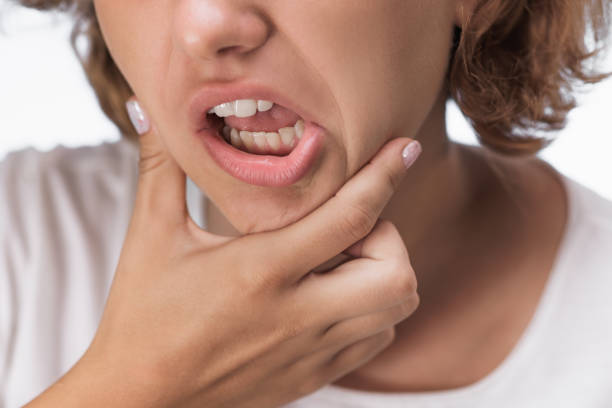
That’s the question I hear most often from patients who’ve recently gotten a crown. They’re sitting in my chair at Townsville Dental Clinic, wincing as they describe sharp pain when drinking their morning coffee or biting into a sandwich.
Here’s what I tell them: some sensitivity right after crown placement is expected. But if your crowned tooth is still bothering you weeks later, or suddenly starts hurting months after the procedure, something’s going on that deserves attention.
Let’s talk about what crown tooth sensitivity really means, when you should worry, and what actually helps.
The First Two Weeks: What’s Actually Normal
Getting a crown is more invasive than most people realize. We’re reshaping your tooth, potentially getting close to the nerve, and cementing a foreign material onto prepared tooth structure. Your tooth needs time to recover.
In those first two weeks, you might notice:
Temperature sensitivity that makes you catch your breath with hot or cold foods. This usually peaks around day three or four, then gradually improves. The nerve inside your tooth is a bit traumatized and reactive. Think of it like a bruise that’s tender to touch at first.
Pressure sensitivity when you bite down. Your tooth is adjusting to its new anatomy. The bite might feel slightly “high” even if we’ve carefully adjusted it. Sometimes it takes your jaw muscles and tooth ligaments a few days to recalibrate.
Occasional sharp twinges that come and go randomly. These are usually nerve responses to the recent procedure and typically fade as inflammation decreases.
What I watch for is the trajectory. Is the sensitivity getting better each day, even slowly? That’s reassuring. Is it staying the same or getting worse? That’s when we need to investigate.
When Sensitivity Signals a Real Problem
I recently worked with someone who’d had a crown placed three months earlier at another practice. No issues initially. Then suddenly, excruciating pain with anything cold. She was avoiding an entire side of her mouth.
The X-ray told the story: decay had developed under the crown margin. The cement seal had failed, bacteria had gotten underneath, and now the tooth nerve was inflamed.
Here’s what concerns me about crown sensitivity:
Sensitivity that appears months or years after placement. A well-made crown on a healthy tooth shouldn’t suddenly start hurting. This pattern often indicates decay under the crown, a crack in the tooth, or cement failure.
Pain that wakes you at night. Teeth shouldn’t throb or ache spontaneously. This suggests the nerve is seriously inflamed, possibly dying. We call this irreversible pulpitis, and it typically means you’ll need root canal treatment.
Sensitivity that’s getting progressively worse. If week three is worse than week one, your tooth isn’t healing. The crown preparation may have been too aggressive, getting too close to the nerve. Or there might be an issue with how the crown fits.
Sharp pain when you bite on something specific. This can indicate a crack in the tooth under the crown or a problem with how the crown contacts the opposing tooth. Sometimes we see this with crowns that are too tall, creating excessive biting force in one spot.
The Hidden Culprits Behind Crown Sensitivity
At Townsville Dental Clinic, we see certain patterns repeatedly. Most crown sensitivity issues fall into a few categories.
Cement irritation is surprisingly common. Some dental cements are more acidic or irritating to tooth nerves than others. If excess cement gets left behind, particularly pushed up under the gums, it can cause lingering sensitivity. We always check carefully for cement remnants at follow-up appointments.
Microscopic gaps between the crown and tooth allow bacteria and temperature changes to reach the sensitive inner layers of your tooth. Even a gap you can’t see or feel can cause problems. This is why crown margins need to be precisely fitted and sealed.
Bite issues create chronic trauma. Maybe the crown is slightly too high in one spot, so you’re hitting it harder than other teeth when you chew. Over weeks and months, this repetitive force inflames the ligament around the tooth root, causing sensitivity and soreness.
Exposed tooth root near the crown margin. When we prepare a tooth for a crown, sometimes the margin ends up at or below the gumline. If gums recede later, you’ll have exposed root surface, which has no protective enamel. That creates sensitivity because root structure has tiny tubules that lead directly to the nerve.
I’ve also seen referred pain confuse the situation. Sometimes an adjacent tooth has a problem, but your brain interprets the pain as coming from the crowned tooth. Our nerves aren’t always precise with location, particularly in back teeth.
What Actually Helps (And What Doesn’t)
People try all kinds of things for crown sensitivity before calling us. Some work temporarily. Some do nothing. And some can actually make things worse.
Desensitizing toothpaste can help if the sensitivity is mild and related to exposed root surfaces near the crown. These toothpastes contain compounds that block the tiny tubules in your tooth structure. But they need consistent use for two to three weeks before you’ll notice improvement. And they won’t help if your issue is decay, a crack, or nerve inflammation.
Avoiding the tooth seems logical but often backfires. If you stop chewing on one side, you can create jaw muscle imbalances and TMJ issues. Plus, avoided teeth accumulate more plaque, increasing your risk of decay and gum problems around the crown.
Over-the-counter pain medication manages symptoms but doesn’t address the underlying cause. If you’re regularly taking ibuprofen or acetaminophen for tooth pain, that’s your tooth telling you it needs professional attention.
Here’s what actually works, depending on the cause:
For bite-related sensitivity, we adjust the crown. Sometimes removing just a fraction of a millimeter from one contact point eliminates the problem completely. This is quick, painless, and immediately effective.
For sensitivity from exposed roots, we might apply a professional-grade desensitizer, adjust your home care routine, or in some cases, place a small filling to cover the exposed area.
For cement irritation, we remove any excess cement remnants, and usually the sensitivity resolves within a week or two as inflammation decreases.
For decay or cracks, we need to address the underlying structural problem. This might mean replacing the crown, or if the nerve is involved, root canal treatment followed by a new crown.
The Timeline That Tells the Story
I encourage patients to think about sensitivity in terms of trajectory and timeline. These patterns help us diagnose what’s happening:
Days 1 to 14: Expect some sensitivity. It should gradually improve. Peak discomfort is usually days 3 to 5, then steady improvement after that. Temperature sensitivity is common. Slight pressure sensitivity is normal.
Weeks 2 to 8: Sensitivity should be mostly gone by week four, completely resolved by week eight. If you’re still having regular issues at the six-week mark, call your dentist. Something needs to be evaluated.
Months 3+: Any new sensitivity that develops after this period isn’t related to crown placement trauma. Your tooth had healed. This represents a new problem that needs diagnosis.
There’s also the quality of the sensation. Fleeting sensitivity lasting one to three seconds suggests a live, reactive but healthy nerve. Lingering pain that lasts 30 seconds or more after the stimulus indicates nerve inflammation that’s not resolving on its own.
When to Call Townsville Dental Clinic
Don’t wait if you’re experiencing:
Sharp, spontaneous pain that wakes you at night or occurs randomly without triggers. Sensitivity that’s progressively worsening rather than improving. Pain when biting down on the crowned tooth specifically. Swelling or pimple-like bumps on your gums near the crown. Any sensitivity that persists beyond eight weeks after crown placement.
We can usually identify the problem quickly with an examination and possibly an X-ray. Most crown sensitivity issues are fixable, but they’re much easier to address early before they become more complicated.
I’ve seen too many patients wait months, suffering unnecessarily, worried they’re being “dramatic” about tooth pain. Trust your instincts. Your tooth is communicating that something’s not right.
The goal isn’t just a crown that looks good. It’s a crown that functions comfortably as if it’s your natural tooth. That’s the standard we hold at Townsville Dental Clinic, and it’s what you deserve from your dental care.
What’s your experience been with dental crowns? I’m always interested to hear what patients notice that we might not think to ask about.
#CrownSensitivity #DentalCrowns #ToothSensitivity #DentalHealth #OralCare