
Impacted wisdom teeth affect millions of people worldwide, causing pain, discomfort, and oral health complications. If you’re experiencing jaw pain, swelling, or difficulty opening your mouth, you might be dealing with impacted wisdom teeth that need professional attention.
At Townsville Dental Clinic, we help patients throughout Queensland understand their options for managing impacted wisdom teeth safely and effectively.
What Are Impacted Wisdom Teeth?
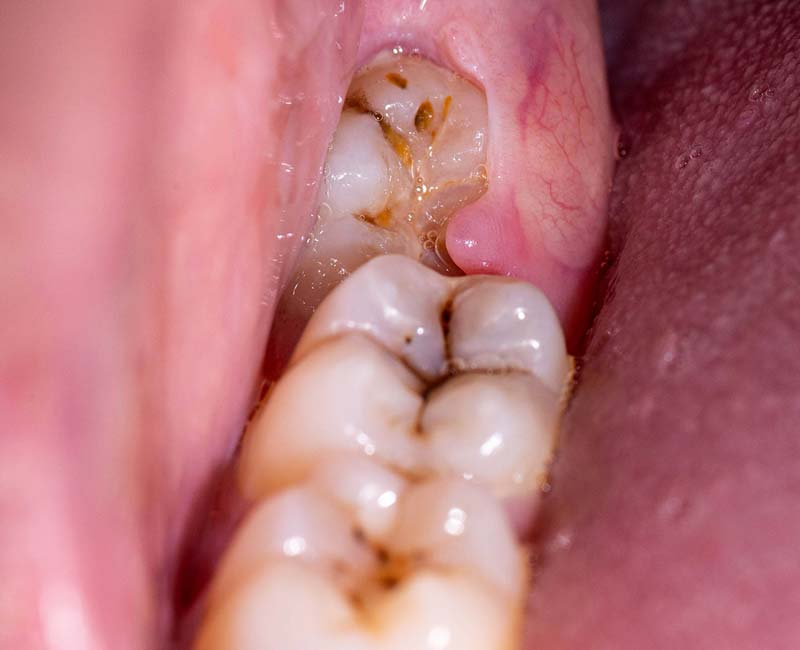
Impacted wisdom teeth are third molars that cannot erupt properly through the gums due to lack of space or improper positioning. These teeth become “stuck” either partially or completely beneath the gum line, unable to emerge naturally like other teeth.
Wisdom teeth typically appear between ages 17 and 25, but many people’s jaws are too small to accommodate these additional molars. When there isn’t enough room, the teeth may:
- Remain completely buried under the gum tissue
- Emerge only partially through the gums
- Grow at an angle toward other teeth
- Develop sideways or backward in the jawbone
Impacted wisdom teeth are extremely common, affecting up to 85% of people who develop these third molars. Not everyone experiences problems, but when complications arise, professional treatment becomes necessary.
Types of Impacted Wisdom Teeth
Soft Tissue Impaction: The tooth has broken through the bone but remains covered by gum tissue, making cleaning difficult and increasing infection risk.
Partial Bony Impaction: Part of the tooth remains stuck in the jawbone while another portion has erupted through the gum.
Complete Bony Impaction: The tooth is completely enclosed in bone and cannot emerge naturally without surgical intervention.
Angular Impaction: The tooth grows at an angle, potentially pushing against neighboring molars or growing toward the front or back of the mouth.
What Are the Symptoms of Impacted Wisdom Teeth?
Recognizing the symptoms of impacted wisdom teeth helps you seek treatment before complications worsen. Many people experience no symptoms initially, but problems often develop over time.
Early Warning Signs
Jaw Pain and Stiffness:
- Aching or throbbing pain in the back of your jaw
- Difficulty opening your mouth fully
- Stiffness when chewing or speaking
- Pain that worsens with pressure
Gum Problems:
- Red, swollen, or tender gums behind your back molars
- Bleeding when brushing or flossing
- Gum tissue that appears to be growing over a partially erupted tooth
- Recurring gum infections in the same area
Changes in Your Bite:
- Feeling like your teeth don’t fit together properly
- Discomfort when biting down
- Difficulty chewing on one side of your mouth
- Sensation that something is “off” with your bite
Progressive Symptoms
As impacted wisdom teeth worsen, you may experience:
Increased Pain:
- Sharp, shooting pains that radiate to your ear or neck
- Headaches that seem to originate from your jaw area
- Facial pain or swelling
- Pain that interferes with sleep or daily activities
Oral Health Issues:
- Persistent bad breath despite good oral hygiene
- Unpleasant taste in your mouth
- Visible decay or cavities in nearby teeth
- Food getting trapped behind your last molars
Swelling and Inflammation:
- Noticeable swelling in your jaw or face
- Enlarged lymph nodes in your neck
- Difficulty swallowing
- Fever accompanying jaw pain
When Symptoms Require Immediate Attention
Contact your dentist immediately if you experience:
- Severe, persistent pain that doesn’t respond to over-the-counter medication
- Significant facial swelling
- Difficulty swallowing or breathing
- Fever with jaw pain
- Signs of spreading infection
What Problems Can Wisdom Teeth Cause?
Impacted wisdom teeth can lead to serious oral health complications that extend beyond simple discomfort. Understanding these potential problems helps you make informed decisions about treatment.
Infection and Pericoronitis
Pericoronitis is a common infection that develops around partially erupted wisdom teeth. The flap of gum tissue covering part of the tooth creates a pocket where bacteria and food particles accumulate.
Symptoms of pericoronitis include:
- Severe pain and swelling around the affected tooth
- Difficulty opening your mouth
- Bad taste and smell from the infection site
- Swollen lymph nodes
- Fever and general illness
Without treatment, pericoronitis can spread to other areas of your mouth and body, potentially causing serious systemic infections.
Tooth Decay and Cavities
Impacted wisdom teeth are extremely difficult to clean properly, making them prone to decay. Food particles and bacteria become trapped around these teeth, leading to:
- Cavities in the wisdom teeth themselves
- Decay spreading to adjacent healthy molars
- Root damage in neighboring teeth
- Need for multiple tooth extractions or root canals
The location of impacted wisdom teeth makes routine dental hygiene nearly impossible, creating ongoing decay risks.
Gum Disease
The hard-to-reach location of impacted wisdom teeth makes them breeding grounds for gum disease. Bacterial buildup can cause:
Gingivitis:
- Red, swollen, bleeding gums
- Tenderness around the wisdom teeth
- Bad breath and taste
Periodontitis:
- Deep infection affecting tooth roots and supporting bone
- Possible tooth loss
- Systemic health risks from chronic infection
Cyst Formation
In rare cases, impacted wisdom teeth can develop cysts – fluid-filled sacs that form around the tooth. These cysts can:
- Damage surrounding bone and teeth
- Require extensive surgical treatment
- Cause permanent nerve damage if left untreated
- Lead to tumor development in extreme cases
Damage to Adjacent Teeth
Impacted wisdom teeth can push against neighboring molars, causing:
- Root damage to healthy teeth
- Increased risk of decay where teeth touch
- Need for expensive restorative treatment
- Possible loss of healthy molars
Can Wisdom Teeth Cause Crowding?
The relationship between wisdom teeth and tooth crowding is one of the most misunderstood aspects of dental care. Many people notice their front teeth becoming crooked around the same time their wisdom teeth emerge and assume there’s a connection.
The Scientific Evidence
Research published in multiple dental journals shows that impacted wisdom teeth do not cause crowding of front teeth. Studies comparing patients with and without wisdom teeth found no significant difference in crowding patterns.
Key findings:
- Patients who never developed wisdom teeth still experienced front tooth crowding
- Those who had wisdom teeth removed early showed the same crowding patterns as those who kept their wisdom teeth
- Natural jaw growth and aging processes account for most adult tooth movement
Why the Confusion?
The timing coincidence creates confusion:
- Wisdom teeth typically emerge between ages 17-25
- Natural jaw changes also occur during this period
- Front teeth naturally tend to crowd slightly with age
- People notice these changes happening simultaneously
What Actually Causes Crowding?
Natural jaw growth: Your lower jaw continues growing into your twenties, changing tooth alignment patterns.
Age-related changes: Teeth naturally drift forward slightly as you age, regardless of wisdom tooth presence.
Genetics: Family history of crowding affects your tooth alignment more than wisdom teeth.
Previous orthodontic treatment: Teeth may shift after braces removal if retainers aren’t worn consistently.
When Wisdom Teeth Do Affect Alignment
While impacted wisdom teeth don’t cause front tooth crowding, they can create localized problems:
- Pushing against adjacent molars
- Causing pain and pressure in the back of your mouth
- Making it difficult to clean surrounding teeth
- Leading to localized gum disease and infection
What Happens If I Don’t Remove My Wisdom Teeth?
The consequences of leaving impacted wisdom teeth untreated depend on several factors, including the degree of impaction, your oral hygiene abilities, and individual anatomy. Not all impacted wisdom teeth require removal, but many do cause progressive problems.
Immediate Risks
Ongoing Pain and Discomfort:
- Chronic jaw pain that may worsen over time
- Difficulty eating and speaking comfortably
- Sleep disruption from nighttime pain
- Reduced quality of life from persistent discomfort
Recurring Infections:
- Repeated episodes of pericoronitis
- Each infection potentially more severe than the last
- Increased antibiotic resistance with repeated treatments
- Risk of spreading to other areas of your body
Long-Term Consequences
Progressive Tooth Damage:
- Decay spreading from wisdom teeth to healthy molars
- Need for root canals or extractions of previously healthy teeth
- Bone loss around affected teeth
- Costly restorative treatments that could have been prevented
Oral Health Deterioration:
- Chronic gum disease in hard-to-clean areas
- Persistent bad breath and taste
- Increased cavity risk throughout your mouth
- Overall decline in oral health
Serious Complications
Cyst Development:
- Slow-growing cysts that damage jawbone
- Potential nerve damage causing permanent numbness
- Need for extensive oral surgery
- Possible tumor development in rare cases
Systemic Health Risks:
- Chronic oral infections linked to heart disease
- Increased diabetes complications
- Pregnancy complications from untreated dental infections
- Overall weakened immune system
When Non-Removal Might Be Acceptable
Some impacted wisdom teeth can be monitored rather than immediately removed if:
- They cause no symptoms
- You can clean them adequately
- They’re not affecting other teeth
- Regular dental monitoring shows no problems developing
However, the situation can change over time, requiring ongoing evaluation by your dental professional.
Why Earlier Treatment Is Often Better
Easier Surgery: Wisdom tooth roots aren’t fully developed in younger patients, making extraction simpler and recovery faster.
Better Healing: Younger patients typically heal more quickly with fewer complications.
Prevention: Removing problematic wisdom teeth before serious complications develop saves time, money, and discomfort.
Reduced Risks: Earlier intervention reduces the chance of nerve damage, extensive bone loss, or damage to adjacent teeth.
Treatment Options for Impacted Wisdom Teeth
Treatment for impacted wisdom teeth ranges from monitoring to surgical removal, depending on your specific situation and symptoms.
Conservative Management
Monitoring: If your impacted wisdom teeth aren’t causing symptoms, your dentist may recommend regular monitoring with periodic X-rays and examinations.
Pain Management: Over-the-counter pain relievers and anti-inflammatory medications can provide temporary relief during flare-ups.
Improved Oral Hygiene: Special cleaning techniques and tools may help manage partially erupted wisdom teeth.
Antibiotics: Prescribed for active infections, though this provides only temporary relief without addressing the underlying problem.
Surgical Extraction
Most problematic impacted wisdom teeth require surgical removal by an oral surgeon or experienced dentist.
Simple Extraction: For wisdom teeth that have erupted enough to grasp with dental forceps.
Surgical Extraction: For teeth that remain partially or completely impacted, requiring incision of gum tissue and possibly bone removal.
Sectioning: Large or awkwardly positioned teeth may be cut into pieces for easier removal.
Anesthesia Options
Local Anesthesia: Numbing injection for most procedures, allowing you to remain conscious and comfortable.
Sedation: Various levels of sedation help anxious patients relax during the procedure.
General Anesthesia: Complete unconsciousness may be recommended for complex cases or multiple extractions.
Recovery Expectations
First 24-48 Hours: Swelling, mild bleeding, and discomfort are normal. Pain medication and ice packs help manage symptoms.
First Week: Gradual improvement with continued swelling reduction. Soft foods and careful oral hygiene are important.
Complete Healing: Full recovery typically takes 2-4 weeks, depending on the complexity of your case.
Preventing Complications
While you can’t prevent wisdom tooth impaction, you can reduce complications through:
Regular Dental Care
- Schedule routine checkups every six months
- Get panoramic X-rays to monitor wisdom tooth development
- Follow your dentist’s recommendations for monitoring or treatment
- Address problems early before they worsen
Excellent Oral Hygiene
- Brush carefully around partially erupted wisdom teeth
- Use antimicrobial mouthwash to reduce bacteria
- Floss regularly, even if it’s challenging around wisdom teeth
- Consider water flossers for hard-to-reach areas
Healthy Lifestyle
- Avoid smoking, which increases infection risk and slows healing
- Maintain good nutrition to support immune function
- Manage stress, which can worsen dental problems
- Stay hydrated to support oral health
When to Seek Professional Help
Contact Townsville Dental Clinic if you experience:
Urgent symptoms:
- Severe, persistent pain
- Significant facial swelling
- Difficulty swallowing or breathing
- High fever with dental pain
Ongoing concerns:
- Recurring pain or discomfort
- Signs of infection or gum disease
- Difficulty cleaning around wisdom teeth
- Changes in your bite or tooth alignment
Preventive care:
- You’re between ages 16-25 and haven’t had wisdom teeth evaluated
- Family history of impacted wisdom teeth
- Previous orthodontic treatment that needs protecting
- Regular monitoring of known impacted teeth
Why Choose Townsville Dental Clinic
At Townsville Dental Clinic, we provide comprehensive impacted wisdom teeth care for patients throughout Queensland:
Expert Evaluation
Our experienced team uses advanced imaging technology to assess your wisdom teeth and recommend the most appropriate treatment for your specific situation.
Personalized Treatment Plans
We develop individualized treatment strategies based on your age, symptoms, oral health status, and personal preferences.
Comfortable Procedures
We offer various anesthesia and sedation options to ensure your comfort during any necessary procedures.
Comprehensive Follow-Up
Our team provides detailed aftercare instructions and ongoing support to ensure optimal healing and recovery.
Serving Queensland Families
We understand the unique needs of patients in our region and work with local specialists when complex cases require additional expertise.
Concerned about impacted wisdom teeth? Contact Townsville Dental Clinic today to schedule your evaluation. We’ll assess your situation, discuss your options, and create a treatment plan that protects your oral health and overall wellbeing.
Call us or visit our website to book your consultation and take the first step toward resolving your wisdom tooth concerns with expert, compassionate care.