

Root Canal Crown: Why You Need One After Treatment
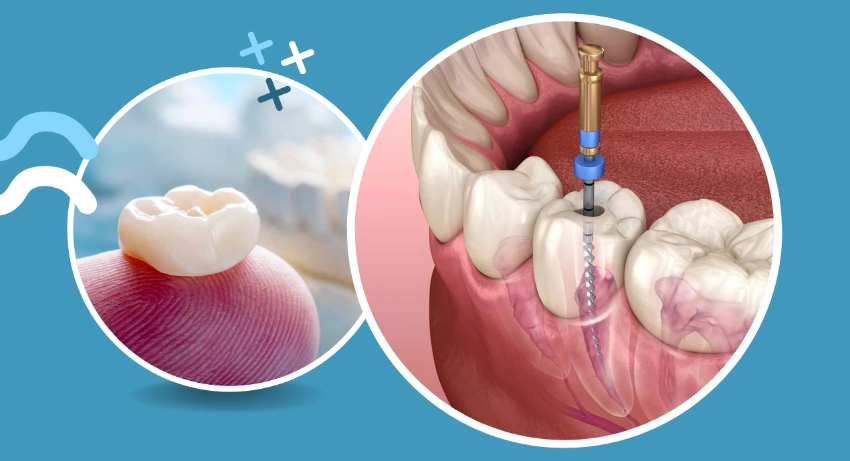
After root canal treatment, most teeth need a crown for protection and longevity. This comprehensive guide explains why root canal crowns are essential and what to expect during the restoration process.
1. Do I Need a Crown After a Root Canal?
Most teeth require a crown after root canal treatment, though the necessity depends on the tooth location and remaining structure.
Why Crowns Are Usually Necessary
Root canal teeth become brittle:
- Loss of moisture – Dead tooth dries out over time
- Structural weakness – Removal of infected tissue leaves less tooth
- Reduced flexibility – Tooth becomes more prone to cracking
- Fracture risk – Can break under normal chewing forces
Crown benefits:
- Complete protection – Covers entire tooth surface
- Distributes forces – Spreads chewing pressure evenly
- Prevents fracture – Reinforces weakened tooth structure
- Restores function – Returns tooth to normal strength
- Improves appearance – Natural-looking restoration
Teeth That Always Need Crowns
Molars and premolars:
- High chewing forces – Bear maximum bite pressure
- Large access holes – Root canal opening weakens structure
- Multiple roots – More complex procedure removes more tooth
- Critical for function – Essential for proper chewing
Teeth with large fillings:
- Limited tooth structure – Most natural tooth already removed
- High fracture risk – Very little strength remaining
- Previous dental work – Multiple restorations weaken tooth
- Structural integrity – Crown provides needed reinforcement
Teeth That May Not Need Crowns
Front teeth sometimes:
- Lower chewing forces – Less stress on these teeth
- Better access – Smaller opening preserves structure
- Aesthetic considerations – May use conservative restoration
- Case-by-case decision – Depends on remaining tooth structure
Teeth with minimal damage:
- Small access opening – Most tooth structure preserved
- No previous fillings – Strong, intact tooth walls
- Young patients – Healthy, strong tooth structure
- Low-stress location – Protected from heavy forces
Crown Success Statistics
With crown protection:
- 90-95% success rate – Excellent long-term outcomes
- Normal function – Can eat all foods confidently
- 20+ year lifespan – Many last lifetime
- Low fracture risk – Less than 5% break
Without crown protection:
- 60-70% success rate – Much higher failure rate
- Fracture risk – 30-40% of teeth break
- Limited function – Must avoid hard foods
- Shorter lifespan – Often fail within 5-10 years
Types of Crown Materials
Porcelain crowns:
- Most natural appearance – Matches tooth color perfectly
- Excellent durability – 15-20+ year lifespan
- Stain resistant – Maintains appearance over time
- Biocompatible – Well-tolerated by gums
Metal crowns:
- Maximum strength – Best for back teeth
- Longest lasting – 20+ years typically
- Thinnest design – Preserves most tooth structure
- Less aesthetic – Visible metal color
Porcelain-fused-to-metal:
- Good appearance – Natural-looking with strength
- Moderate durability – 10-15 years average
- Cost-effective – Balance of function and aesthetics
- Potential issues – Metal may show at gum line
Factors Affecting Crown Necessity
Tooth location:
- Back teeth – Almost always need crowns
- Front teeth – May have alternatives
- Premolars – Usually require crowns
- Canines – Case-by-case evaluation
Remaining tooth structure:
- Minimal structure – Crown essential
- Good structure – May have options
- Previous work – Multiple fillings increase need
- Root canal access – Size affects decision
Patient factors:
- Age – Younger patients may have alternatives
- Bite force – Heavy biters always need crowns
- Oral habits – Grinding requires crown protection
- Aesthetic concerns – Patient preference matters
At Townsville Dental Clinic, we evaluate each tooth individually to determine the best restoration approach for long-term success.
2. When Will I Get My Permanent Crown?
The timing for your root canal crown placement is crucial for treatment success. Here’s the typical timeline and important considerations:
Standard Crown Timeline
Immediate post-root canal:
- Temporary filling placed – Protects tooth during healing
- 2-4 weeks waiting period – Allows complete healing
- Pain should resolve – Before permanent restoration
- Tissue stabilization – Gums and bone settle
Crown preparation appointment:
- Usually 2-3 weeks – After root canal completion
- Tooth preparation – Shaped to receive crown
- Impressions taken – For custom crown fabrication
- Temporary crown placed – Protects prepared tooth
- Lab work begins – 1-2 weeks for crown creation
Final crown placement:
- 2-3 weeks later – After crown fabrication
- Temporary crown removed – Clean and prepare tooth
- Permanent crown cemented – Final restoration placed
- Bite adjustment – Ensure proper fit and function
Why Timing Matters
Healing considerations:
- Inflammation must resolve – Proper tissue health needed
- Pain should disappear – Comfortable before crown
- Bone stabilization – Supporting structures settle
- Bacterial elimination – Complete healing ensures success
Structural protection:
- Temporary filling weakness – Not meant for long-term use
- Fracture prevention – Crown needed before heavy use
- Seal maintenance – Prevent bacterial contamination
- Function restoration – Return to normal chewing
Factors Affecting Crown Timing
Healing speed:
- Uncomplicated cases – Standard 2-3 week timeline
- Complex infections – May need 4-6 weeks healing
- Patient health – Medical conditions affect healing
- Compliance – Following aftercare affects recovery
Scheduling considerations:
- Holiday timing – Plan around vacations
- Work schedules – Coordinate appointments
- Lab availability – Crown fabrication time
- Insurance timing – Benefit year considerations
Types of Crown Procedures
Traditional crowns:
- Two appointments – Preparation, then placement
- 2-3 week process – Lab fabrication time
- Temporary crown – Protects during waiting period
- Most common – Standard procedure
Same-day crowns:
- Single appointment – Complete in one visit
- CEREC technology – Computer-designed and milled
- No temporary – Permanent crown immediately
- Convenient – No second appointment needed
Immediate crowns:
- Day of root canal – Crown same appointment
- Limited cases – Only when appropriate
- Special circumstances – Aesthetic or functional needs
- Careful evaluation – Must ensure proper healing
Temporary Crown Care
Protection guidelines:
- Chew on opposite side – Protect temporary restoration
- Avoid sticky foods – Can pull crown off
- Gentle brushing – Clean carefully around margins
- Floss carefully – Don’t pull up through contacts
Common temporary issues:
- Slight sensitivity – Normal during adjustment period
- Rough texture – Temporary material not polished
- Cement taste – May notice temporary cement
- Minor discomfort – Should resolve quickly
Delayed Crown Consequences
Short-term delays (1-2 weeks):
- Usually acceptable – No major consequences
- Monitor symptoms – Watch for problems
- Maintain oral hygiene – Keep area clean
- Avoid hard foods – Protect temporary filling
Extended delays (months):
- Fracture risk increases – Tooth becomes vulnerable
- Temporary filling failure – May leak or break
- Bacterial contamination – Root canal may fail
- Treatment failure – May need retreatment
Insurance and Crown Timing
Coverage considerations:
- Separate procedure – Crown billed separately from root canal
- Timing benefits – May span benefit years
- Pre-authorization – Some plans require approval
- Maximum utilization – Plan annual limits
Payment planning:
- Budget accordingly – Crown cost additional to root canal
- Payment plans – Spread cost over time
- Insurance coordination – Maximize benefits
- Treatment sequencing – Plan for optimal coverage
At Townsville Dental Clinic, we coordinate root canal and crown timing to ensure optimal healing and successful outcomes.
3. How Much Does a Crown Cost After Root Canal?
Understanding root canal crown costs helps you plan your treatment budget. Prices vary based on materials, complexity, and your specific needs.
Crown Cost by Material Type
Porcelain crowns:
- Cost range: $1,200 – $2,000
- Best aesthetics – Natural tooth appearance
- Excellent durability – 15-20+ years
- Most popular choice – Balance of beauty and function
Porcelain-fused-to-metal:
- Cost range: $1,000 – $1,600
- Good strength – Metal core with porcelain exterior
- Moderate aesthetics – Natural-looking but may show metal
- Cost-effective option – Balance of price and performance
Gold crowns:
- Cost range: $1,500 – $2,500
- Maximum durability – Longest-lasting option
- Biocompatible – Excellent tissue tolerance
- Functional choice – Best for back teeth
Zirconia crowns:
- Cost range: $1,300 – $2,200
- High strength – Very durable ceramic
- Excellent aesthetics – Natural translucency
- Metal-free – No allergic reactions
Total Treatment Investment
Root canal + crown costs:
- Front tooth: $2,000 – $3,200 total
- Premolar: $2,200 – $3,600 total
- Molar: $2,400 – $4,000 total
- Complex cases: May cost more
Additional costs:
- Core buildup: $200 – $400 (if needed)
- Post placement: $200 – $500 (if required)
- Temporary crown: Usually included
- Follow-up visits: Typically included
Factors Affecting Crown Cost
Case complexity:
- Simple cases – Standard pricing
- Extensive damage – May need buildup or post
- Aesthetic demands – Premium materials cost more
- Bite complications – Complex adjustments needed
Geographic location:
- Urban areas – Typically higher costs
- Rural areas – Often lower prices
- Practice type – Specialist vs general dentist
- Facility overhead – Affects pricing structure
Insurance Coverage for Crowns
Typical insurance benefits:
- Coverage percentage: 50% of crown cost
- Annual maximum: $1,000 – $2,500 usually
- Waiting periods: May apply to major services
- Pre-authorization: Often required
Insurance examples: Example 1: $1,500 crown, 50% coverage
- Insurance pays: $750
- Patient pays: $750
Example 2: $1,800 crown, 50% coverage, $1,000 maximum
- Insurance pays: $900 (50% of $1,800)
- Patient pays: $900
Crown vs Alternative Costs
Crown after root canal: $1,200 – $2,000 Tooth extraction + implant: $3,000 – $5,000 Tooth extraction + bridge: $2,500 – $4,500 Extraction only: $200 – $600 (but leaves gap)
Long-term value:
- Crown longevity: 15-20+ years typically
- Cost per year: $60 – $130 annually
- Function preservation: Maintains normal eating
- Adjacent teeth protection: No need to alter neighbors
Payment Options for Crowns
Insurance + payment plans:
- Insurance covers 50% – Reduces out-of-pocket
- Finance remaining balance – Monthly payments
- CareCredit options – Healthcare financing
- In-house payment plans – Office financing
Cash payment discounts:
- 5-10% discount – For full payment
- No financing fees – Avoid interest charges
- Immediate savings – Lower total cost
- Budget predictability – Known exact amount
Saving Money on Crowns
Timing strategies:
- End of benefit year – Use remaining insurance
- Coordinate treatments – Maximize annual benefits
- Plan ahead – Budget for full treatment
- Compare options – Different materials and costs
Quality considerations:
- Don’t compromise quality – Cheap crowns cost more long-term
- Experienced dentist – Better outcomes worth investment
- Quality materials – Last longer, better value
- Proper fit – Prevents future problems
Crown Warranty and Longevity
Typical warranties:
- 2-5 years – Against defects or early failure
- Conditions apply – Regular checkups required
- Normal wear excluded – Covers manufacturing defects
- Remake policy – Replacement at reduced cost
Maximizing crown lifespan:
- Excellent oral hygiene – Prevent decay and gum disease
- Regular checkups – Professional monitoring
- Avoid hard objects – Don’t crack crown
- Nightguard use – If you grind teeth
Cost Comparison by Location
Townsville crown costs:
- Competitive pricing – Reasonable for quality provided
- Quality materials – Using best available options
- Experienced dentists – Proper fit and function
- Comprehensive care – Complete treatment coordination
Hidden costs to avoid:
- Remake fees – Poor fit requiring replacement
- Adjustment charges – Multiple visits for problems
- Premature failure – Cheap materials fail early
- Treatment complications – Poorly made crowns cause issues
At Townsville Dental Clinic, we provide transparent crown pricing and work with your insurance to minimize out-of-pocket costs.
4. What Happens If I Delay Getting My Crown?
Delaying your root canal crown can lead to serious complications and treatment failure. Understanding the risks helps you prioritize this important restoration.
Immediate Risks (1-4 weeks delay)
Temporary filling breakdown:
- Material deterioration – Not designed for long-term use
- Seal compromise – Bacteria can enter treated tooth
- Food impaction – Debris gets stuck in access hole
- Sensitivity increase – Exposed tooth structure
Minor complications:
- Slight discomfort – From exposed tooth surfaces
- Function limitations – Must chew carefully
- Aesthetic concerns – Visible temporary filling
- Oral hygiene challenges – Harder to clean effectively
Medium-term Risks (1-3 months delay)
Bacterial contamination:
- Root canal reinfection – Bacteria enter through leaking seal
- Treatment failure – May need complete retreatment
- Abscess formation – New infection develops
- Pain return – Symptoms come back
Structural damage:
- Tooth fracture – Brittle tooth cracks under pressure
- Cusp breakdown – Tooth edges chip or break
- Root damage – Cracks extend below gum line
- Irreparable damage – Tooth may need extraction
Long-term Consequences (3+ months delay)
Catastrophic failure:
- Complete tooth fracture – Tooth splits in half
- Root canal failure – Infection throughout tooth
- Extraction necessary – Tooth cannot be saved
- Adjacent tooth damage – Problems spread to neighbors
Extensive treatment needs:
- Full retreatment – Complete root canal redone
- Surgical intervention – May need apicoectomy
- Bone grafting – If infection destroys bone
- Multiple appointments – Complex treatment required
Why Crowns Can’t Wait
Tooth structural changes:
- Moisture loss – Tooth becomes brittle over time
- Collagen breakdown – Protein structure deteriorates
- Mineral changes – Tooth composition alters
- Flexibility loss – Cannot handle normal forces
Bite force effects:
- Normal chewing – 200+ pounds pressure per square inch
- Grinding forces – Can exceed 600 pounds pressure
- Accidental biting – Sudden unexpected forces
- Temperature changes – Expansion and contraction stress
Real Patient Examples from Townsville
Case 1: 2-month delay
- Tooth fractured – While eating soft bread
- Root canal failed – Bacteria recontaminated
- Extraction needed – Tooth unsalveable
- Implant required – $4,000 additional cost
Case 2: 6-month delay
- Severe pain returned – Worse than original
- Extensive infection – Spread to adjacent teeth
- Hospitalization – IV antibiotics needed
- Multiple extractions – Several teeth lost
Financial Impact of Delays
Additional treatment costs:
- Root canal retreatment: $1,500 – $2,500
- Extraction + implant: $3,000 – $5,000
- Bridge replacement: $2,500 – $4,500
- Emergency treatment: $500 – $1,500
Insurance complications:
- Retreatment coverage – Often limited
- Multiple procedures – May exceed annual maximum
- Emergency treatment – Higher out-of-pocket costs
- Time loss – Additional appointments needed
Temporary Crown Limitations
Not a permanent solution:
- Weaker material – Not designed for long-term use
- Rough texture – Difficult to clean properly
- Poor fit – May not seal perfectly
- Limited lifespan – 2-6 weeks maximum
Temporary crown problems:
- May come loose – Weaker cement used
- Can break – Under normal chewing forces
- Gum irritation – Rough margins cause problems
- Bacterial leakage – Not sealed as well as permanent
Psychological Impact
Anxiety and stress:
- Worry about damage – Constant concern about tooth
- Eating limitations – Must avoid many foods
- Social embarrassment – Visible temporary restoration
- Sleep disruption – Worry affects rest
Quality of life effects:
- Diet restrictions – Cannot eat favorite foods
- Social limitations – Avoid eating with others
- Work impact – Dental problems affect performance
- Family stress – Worry affects relationships
Emergency Situations
When to seek immediate care:
- Severe pain returns – Throbbing, unbearable discomfort
- Swelling develops – Face or gum puffiness
- Tooth fractures – Any visible crack or break
- Temporary filling lost – Complete loss of seal
After-hours contact:
- Emergency numbers – Dentist availability
- Hospital options – For severe infections
- Pain management – Until professional care
- Antibiotic needs – Prescription medications
Preventing Delayed Crown Problems
Schedule promptly:
- Book appointment – Immediately after root canal
- Coordinate timing – Plan around work/travel
- Insurance coordination – Verify coverage
- Payment planning – Arrange financing if needed
Protective measures:
- Soft diet – Until crown placement
- Careful chewing – Use opposite side
- Good oral hygiene – Keep area clean
- Avoid hard objects – No ice, hard candy
Getting Back on Track
If you’ve delayed:
- Schedule immediately – Don’t wait longer
- Evaluation needed – Assess current condition
- Treatment modification – May need additional work
- Cost adjustment – Additional procedures may be needed
At Townsville Dental Clinic, we emphasize crown timing importance and work with patients to schedule promptly after root canal treatment.
5. Will My Treated Tooth Be Weaker?
Yes, teeth become weaker after root canal treatment, but crowns restore them to near-normal strength. Understanding these changes helps you care for your treated tooth properly.
Why Root Canal Teeth Weaken
Tissue removal effects:
- Pulp elimination – Living tissue provides moisture and nutrients
- Structural loss – Access hole removes tooth structure
- Dentin changes – Tooth material becomes more brittle
- Reduced flexibility – Cannot bend under pressure like before
Moisture loss impact:
- Dehydration – Tooth dries out over time
- Brittleness increase – Like dried wood vs fresh wood
- Crack susceptibility – More likely to fracture
- Color changes – May darken due to dehydration
Degree of Weakness
Structural strength reduction:
- Without crown: 60-70% weaker than natural tooth
- With crown: Returns to 90-95% of normal strength
- Varies by tooth: Back teeth more affected than front
- Individual differences: Some teeth weaker than others
Functional limitations without crown:
- Bite force reduction – Cannot handle normal pressures
- Food restrictions – Must avoid hard, crunchy foods
- Fracture risk – 30-40% chance of breaking
- Limited lifespan – Often fail within 5-10 years
How Crowns Restore Strength
Protective mechanism:
- Complete coverage – Protects all surfaces
- Force distribution – Spreads pressure evenly
- Structural reinforcement – Adds external strength
- Seal maintenance – Prevents bacterial entry
Strength restoration:
- Near-normal function – Can handle regular chewing
- Force tolerance – Withstands normal bite pressures
- Longevity improvement – 20+ year lifespan typical
- Confidence return – Can eat all foods normally
Comparing Treated vs Natural Teeth
Natural tooth advantages:
- Living tissue – Responds to damage
- Self-repair ability – Can heal minor injuries
- Pressure sensation – Nerves detect harmful forces
- Moisture content – Maintains flexibility
Root canal tooth characteristics:
- No pain sensation – Cannot feel damage occurring
- No self-repair – Cannot heal cracks or wear
- Decreased flexibility – More prone to fracture
- Requires protection – Crown essential for longevity
Factors Affecting Tooth Strength
Pre-treatment factors:
- Original tooth structure – How much healthy tooth remained
- Previous dental work – Multiple fillings weaken tooth
- Infection extent – Severe infections remove more tissue
- Root anatomy – Complex cases require more removal
Treatment factors:
- Access hole size – Larger openings weaken more
- Instrumentation extent – How much cleaning needed
- Multiple appointments – Extended treatment may weaken more
- Complications – Problems during treatment affect strength
Maintaining Treated Tooth Strength
Protective habits:
- Crown placement – Essential for strength restoration
- Nightguard use – If you grind teeth
- Avoid hard objects – No ice chewing, bottle opening
- Careful eating – Cut hard foods into smaller pieces
Oral hygiene importance:
- Prevent gum disease – Maintains supporting structures
- Regular cleanings – Professional plaque removal
- Fluoride use – Strengthens remaining tooth structure
- Early problem detection – Address issues quickly
Signs of Weakening
Warning symptoms:
- Increased sensitivity – To pressure or temperature
- Pain when biting – Indicates possible fracture
- Visible cracks – Lines in tooth surface
- Gum changes – Swelling or recession around tooth
When to contact Townsville dentist:
- Any new symptoms – Don’t ignore changes
- Crown problems – Loose, cracked, or painful
- Bite changes – Tooth feels different
- Function problems – Difficulty chewing
Strengthening Strategies
Immediate protection:
- Crown placement – Within 2-4 weeks of root canal
- Proper fit – Well-made crown essential
- Quality materials – Durable restoration materials
- Professional installation – Proper cementation technique
Long-term maintenance:
- Regular checkups – Monitor crown and tooth condition
- Professional cleanings – Maintain gum health
- X-ray monitoring – Check for hidden problems
- Prompt repairs – Address issues immediately
Activity Modifications
Sports and recreation:
- Mouthguard use – Protect during contact sports
- Avoid high-risk activities – That could cause facial trauma
- Protective equipment – Appropriate safety gear
- Informed participation – Understand injury risks
Daily habits:
- No teeth as tools – Don’t open packages, bottles
- Mindful eating – Be careful with hard foods
- Stress management – Reduces teeth grinding
- Proper sleep position – Avoid pressure on treated side
Expected Lifespan
With proper crown:
- 15-20+ years – Many last lifetime
- Normal function – Can eat all foods
- High success rate – 90-95% long-term success
- Cost-effective – Good return on investment
Without crown protection:
- 5-10 years maximum – Often fail sooner
- Limited function – Must avoid hard foods
- High failure rate – 30-40% fracture or fail
- Poor investment – Root canal wasted without crown
Age Considerations
Younger patients:
- Stronger remaining structure – Generally better outcomes
- Longer expected use – Need maximum durability
- Higher activity levels – Require stronger restoration
- Investment value – Decades of use expected
Older patients:
- May be more fragile – Age-related changes
- Medical considerations – Health affects healing
- Functional goals – May prioritize comfort over longevity
- Individual assessment – Case-by-case evaluation
At Townsville Dental Clinic, we help patients understand tooth strength changes and provide crowns that restore maximum function and durability.
Protecting Your Root Canal Investment
Root canal crowns are essential for treatment success and tooth longevity. Don’t compromise your investment by delaying this crucial restoration.
Townsville Dental Clinic crown advantages:
- Expert crown preparation and placement
- Quality materials for maximum durability
- Perfect fit for optimal function
- Comprehensive warranty protection
Protect your treated tooth:
- Schedule crown promptly after root canal
- Choose quality materials and workmanship
- Follow aftercare instructions carefully
- Maintain regular dental checkups
Contact Townsville’s crown specialists to complete your root canal treatment and ensure decades of comfortable function.
Need a root canal crown in Townsville? Townsville Dental Clinic provides expert crown placement using quality materials for maximum durability and natural appearance.