

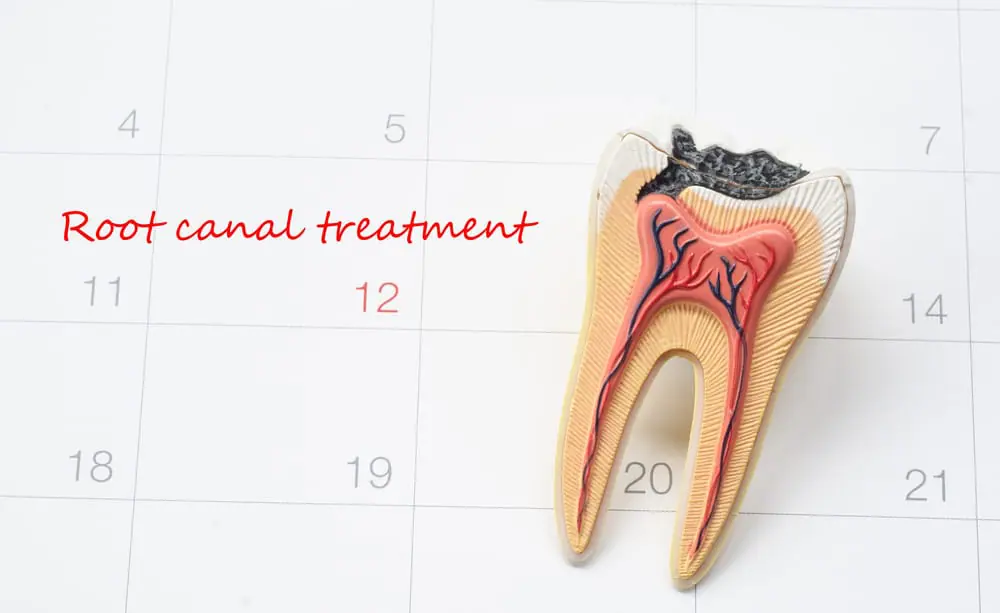
Wondering about root canal success rates? Modern endodontic treatment has excellent outcomes. This comprehensive guide explains success rates, longevity, and factors affecting treatment results.
1. What is the Success Rate of Root Canals?
Root canal success rates are impressively high, making it one of the most predictable dental treatments available today.
Overall Success Statistics
Initial success rates:
- Primary root canals: 85-97% success rate
- Molars: 85-90% success rate
- Front teeth: 90-97% success rate
- Premolars: 88-94% success rate
Long-term success rates:
- 5-year success: 85-90%
- 10-year success: 80-85%
- 15+ year success: 75-80%
- Lifetime survival: Many teeth last forever with proper care
Success Definition in Endodontics
Clinical success means:
- No pain or symptoms – Patient comfortable
- Normal function – Can chew normally
- No infection signs – No swelling or drainage
- Stable X-ray appearance – Healing bone around roots
Radiographic success includes:
- Bone healing – Dark areas around roots resolve
- Root tip health – Normal appearance on X-rays
- No new problems – No cysts or infections develop
- Stable over time – No deterioration in follow-ups
Factors Improving Success Rates
Patient factors:
- Good oral hygiene – Prevents reinfection
- Regular dental visits – Early problem detection
- Healthy immune system – Fights infection effectively
- Non-smoker – Better blood flow and healing
- Compliance with aftercare – Following instructions
Treatment factors:
- Early intervention – Before extensive damage
- Complete cleaning – All infected tissue removed
- Proper sealing – Prevents bacteria reentry
- Quality restoration – Crown protects treated tooth
- Experienced dentist – Skill affects outcomes
Success Rates by Tooth Type
Front teeth (incisors/canines):
- Highest success: 90-97%
- Simpler anatomy: Usually single, straight root
- Easier access: Better visibility and cleaning
- Less stress: Lower chewing forces
Premolars (bicuspids):
- Good success: 88-94%
- Moderate complexity: 1-2 roots typically
- Variable anatomy: Some have complex canal systems
- Moderate function: Medium chewing forces
Molars (back teeth):
- Lower success: 85-90%
- Complex anatomy: 3-4 roots with multiple canals
- Difficult access: Hard to see and clean thoroughly
- High stress: Maximum chewing forces
Success Rates vs Other Treatments
Root canal vs extraction + implant:
- Root canal: 85-90% 10-year success
- Dental implant: 90-95% 10-year success
- Cost difference: Root canal significantly less expensive
- Treatment time: Root canal much faster
Root canal vs extraction + bridge:
- Root canal: Preserves adjacent healthy teeth
- Bridge: Requires grinding healthy teeth
- Longevity: Root canal may outlast bridge
- Maintenance: Root canal requires less ongoing care
Improving Success Rates Over Time
Technology advances:
- Digital imaging – Better diagnosis and treatment planning
- Microscopes – Improved visualization of canal systems
- Rotary instruments – More thorough cleaning
- Better materials – Improved sealing and biocompatibility
Technique improvements:
- Antimicrobial irrigation – Better disinfection
- Electronic apex locators – Precise measurements
- 3D imaging – Complete anatomy assessment
- Evidence-based protocols – Scientific treatment standards
At Townsville Dental Clinic, our root canal success rates exceed national averages due to advanced technology and experienced specialists.
2. How Long Do Root Canals Last?
Well-performed root canals can last a lifetime with proper care, making them an excellent long-term investment in your oral health.
Longevity Statistics
Survival rates by timeframe:
- 5 years: 90-95% still functioning
- 10 years: 85-90% still functioning
- 15 years: 80-85% still functioning
- 20+ years: 75-80% still functioning
- Lifetime: Many teeth never need retreatment
Factors Affecting Longevity
Treatment quality factors:
- Complete disinfection – All bacteria eliminated
- Proper sealing – No leakage allowing reinfection
- Quality crown – Protects tooth from fracture
- Timely restoration – Crown placed within 3-4 weeks
Patient care factors:
- Excellent oral hygiene – Daily brushing and flossing
- Regular checkups – Professional monitoring
- Avoiding hard objects – No ice chewing, bottle opening
- Nightguard use – If teeth grinding occurs
Crown Impact on Longevity
With crown protection:
- Significantly longer life – Crown prevents fracture
- Normal function – Can eat all foods
- Better appearance – Natural-looking restoration
- Root canal success: 90%+ with proper crown
Without crown protection:
- Higher failure rates – 60-70% success only
- Fracture risk – Tooth becomes brittle
- Limited function – Careful eating required
- Cosmetic issues – May darken over time
Longevity by Tooth Location
Front teeth longevity:
- Excellent survival – 90%+ at 15+ years
- Less stress – Lower chewing forces
- Better access – Easier cleaning and maintenance
- Crown optional – Sometimes not needed
Back teeth longevity:
- Good survival – 80-85% at 15+ years
- Higher stress – Heavy chewing forces
- Crown essential – Required for long-term success
- Complex anatomy – More challenging to maintain
Signs of Long-term Success
Healthy root canal indicators:
- No symptoms – No pain, sensitivity, or discomfort
- Normal function – Comfortable chewing
- Good appearance – Natural color and shape
- Stable X-rays – Healthy bone around roots
- No complications – No recurring problems
Maximizing Root Canal Longevity
Daily care routine:
- Gentle brushing – Soft bristles, fluoride toothpaste
- Regular flossing – Clean around crown margins
- Mouthwash use – Antimicrobial rinse
- Avoid hard foods – Protect crown and tooth
Professional care:
- 6-month cleanings – Remove plaque and tartar
- Annual X-rays – Monitor root canal health
- Prompt treatment – Address problems quickly
- Crown maintenance – Check fit and condition
Lifestyle Factors
Habits that extend longevity:
- Non-smoking – Better blood flow and healing
- Limited sugar – Reduces decay risk
- Stress management – Less teeth grinding
- Protective gear – Mouthguards for sports
Habits that reduce longevity:
- Smoking – Impairs healing and blood flow
- Poor diet – High sugar increases decay risk
- Teeth grinding – Excessive forces damage tooth
- Using teeth as tools – Cracks crowns or roots
Retreatment Considerations
When retreatment needed:
- New symptoms develop – Pain, swelling, sensitivity
- X-ray changes – New infection or bone loss
- Crown problems – Leakage or poor fit
- Fracture occurs – Crack in tooth or root
Retreatment success:
- Lower success rates – 65-85% typically
- More complex – Harder to clean previously treated tooth
- Alternative option – Extraction and replacement
- Case-by-case basis – Individual assessment needed
At Townsville Dental Clinic, we monitor root canal longevity with regular follow-up appointments and advanced imaging technology.
3. Can a Root Canal Fail?
Yes, root canals can fail, though it’s uncommon with modern techniques. Understanding failure helps patients recognize problems early and seek appropriate treatment.
Root Canal Failure Rates
Overall failure statistics:
- Primary treatment failure: 5-15% of cases
- Early failure: Within 2 years – 3-8%
- Late failure: After 5+ years – 5-10%
- Retreatment failure: 15-35% of cases
Types of Root Canal Failure
Primary failure:
- Treatment never successful – Initial healing doesn’t occur
- Persistent symptoms – Pain continues after treatment
- Infection remains – Bacteria not eliminated
- Usually within 6 months – Becomes apparent quickly
Secondary failure:
- Initially successful – Good healing initially
- Later problems develop – New infection or complications
- Months to years later – Can occur anytime
- Various causes – Crown leakage, new trauma, etc.
Early Signs of Root Canal Failure
Symptom recurrence:
- Pain returns – Sharp or throbbing pain
- Temperature sensitivity – Hot/cold reactions
- Bite sensitivity – Pain when chewing
- Swelling develops – Gum or facial puffiness
Visual changes:
- Gum problems – Redness, swelling, or bumps
- Tooth discoloration – Darkening or gray appearance
- Crown issues – Loose or damaged restoration
- Bad taste – Drainage from infection
Detecting Root Canal Failure
Clinical examination:
- Percussion testing – Tapping tooth for sensitivity
- Palpation – Feeling for swelling or tenderness
- Mobility testing – Checking for loose tooth
- Visual inspection – Looking for obvious problems
Radiographic evaluation:
- X-ray comparison – Compare to previous images
- Bone loss – Dark areas around roots
- Root resorption – Root dissolving away
- Cyst formation – Large dark areas develop
Advanced imaging:
- 3D cone beam CT – Detailed anatomy assessment
- Better detection – Finds problems X-rays miss
- Treatment planning – Helps decide retreatment approach
- Prognosis assessment – Determines if tooth saveable
Failure Timeline
Immediate failure (0-6 months):
- Incomplete treatment – Missed canals or infection
- Technical problems – Instrument breakage, perforation
- Patient factors – Poor healing, medical conditions
- Usually obvious – Persistent or worsening symptoms
Medium-term failure (6 months-5 years):
- Crown problems – Leakage allows reinfection
- New trauma – Injury creates new problems
- Incomplete healing – Slow or inadequate response
- Periodontal issues – Gum disease affects tooth
Long-term failure (5+ years):
- Restoration breakdown – Crown or filling fails
- Root fracture – Tooth cracks from stress
- New decay – Around crown margins
- Natural aging – Tooth becomes more brittle
Success vs Failure Indicators
Success indicators:
- No symptoms – Comfortable, functional tooth
- Stable X-rays – Healing bone, no new problems
- Normal function – Can chew normally
- Good appearance – Natural color and shape
Failure indicators:
- Persistent symptoms – Pain, sensitivity, swelling
- Worsening X-rays – Bone loss, infection signs
- Functional problems – Difficulty chewing
- Aesthetic issues – Discoloration, crown problems
Managing Root Canal Failure
Treatment options:
- Nonsurgical retreatment – Clean and refill root canals
- Surgical treatment – Apicoectomy (root tip surgery)
- Extraction – Remove tooth and replace
- Observation – Monitor if asymptomatic
Decision factors:
- Tooth restorability – Can it be rebuilt?
- Patient preferences – Treatment goals and desires
- Success probability – Likelihood of retreatment success
- Cost considerations – Treatment vs replacement costs
Prevention of Root Canal Failure
Quality initial treatment:
- Complete disinfection – Remove all bacteria
- Proper sealing – Prevent recontamination
- Timely restoration – Crown within 3-4 weeks
- Follow-up care – Monitor healing progress
Patient responsibility:
- Excellent oral hygiene – Prevent reinfection
- Regular dental visits – Early problem detection
- Crown maintenance – Protect restoration
- Avoid trauma – Don’t use teeth as tools
At Townsville Dental Clinic, our low failure rates reflect our commitment to quality treatment and comprehensive follow-up care.
4. What Causes Root Canal Failure?
Understanding root canal failure causes helps prevent problems and improves treatment outcomes. Most failures are preventable with proper technique and aftercare.
Technical Causes of Failure
Incomplete cleaning:
- Missed canals – Some root canals not found or treated
- Inadequate disinfection – Bacteria remain in tooth
- Insufficient instrumentation – Canals not properly cleaned
- Complex anatomy – Unusual root shapes difficult to treat
Procedural complications:
- Instrument separation – File breaks inside root canal
- Root perforation – Hole created in root wall
- Over-instrumentation – Damage to root tip area
- Chemical irritation – Harsh disinfectants cause problems
Sealing and Restoration Issues
Inadequate seal:
- Incomplete filling – Gaps in root canal filling
- Poor quality materials – Substandard filling materials
- Technique errors – Improper placement methods
- Shrinkage – Materials contract leaving spaces
Crown-related problems:
- Delayed restoration – Too long between treatment and crown
- Poor fitting crown – Leakage around margins
- Crown failure – Restoration breaks or comes loose
- Inadequate seal – Bacteria enter through crown edges
Biological Factors
Patient healing issues:
- Compromised immune system – Poor infection fighting
- Medical conditions – Diabetes, autoimmune disorders
- Medications – Some drugs impair healing
- Smoking – Reduces blood flow and healing capacity
Tooth-specific factors:
- Extensive infection – Severe initial contamination
- Root resorption – Body dissolves away root structure
- Calcification – Canals become blocked with calcium
- Previous trauma – Old injuries affect healing
Reinfection Causes
Coronal leakage:
- Crown breakdown – Restoration deteriorates over time
- New decay – Cavities around crown margins
- Marginal gaps – Spaces between crown and tooth
- Saliva contamination – Bacteria enter through gaps
Periodontal pathway:
- Gum disease – Infection spreads from gums to roots
- Deep pockets – Bacteria reach root surfaces
- Lateral canals – Side branches become infected
- Root surface contamination – External infection source
Time-Related Failure Factors
Immediate causes (0-6 months):
- Incomplete treatment – Technical problems during procedure
- Flare-up reactions – Severe inflammatory response
- Allergic reactions – Materials cause immune response
- Procedural trauma – Excessive tissue damage
Intermediate causes (6 months-5 years):
- Crown problems – Restoration fails or leaks
- New trauma – Injury to treated tooth
- Incomplete healing – Slow or inadequate repair
- Secondary infection – New bacterial invasion
Late causes (5+ years):
- Material aging – Filling materials deteriorate
- Root fracture – Tooth cracks under stress
- Restoration breakdown – Crown or filling fails
- Natural aging – Tooth becomes more fragile
Patient-Related Risk Factors
Behavioral factors:
- Poor oral hygiene – Allows bacterial buildup
- Irregular dental visits – Problems not detected early
- Teeth grinding – Excessive forces damage tooth
- Using teeth as tools – Trauma from inappropriate use
Medical risk factors:
- Diabetes – Affects healing and infection resistance
- Immunosuppression – Reduced ability to fight infection
- Osteoporosis medications – May affect bone healing
- Radiation therapy – Damages tissues and healing
Anatomical Complications
Complex root anatomy:
- Extra canals – More roots than expected
- Curved roots – Difficult to clean thoroughly
- Narrow canals – Hard to access and instrument
- Calcified canals – Blocked with mineral deposits
Developmental variations:
- Dens in dente – Tooth within a tooth
- C-shaped canals – Unusual root configurations
- Accessory canals – Extra pathways for bacteria
- Root fusion – Multiple roots grown together
Prevention Strategies
Quality treatment protocols:
- Complete examination – Thorough diagnosis before treatment
- Advanced imaging – 3D scans when needed
- Proper technique – Following evidence-based procedures
- Quality materials – Using best available products
Patient education:
- Aftercare instructions – Proper healing protocols
- Oral hygiene – Maintaining clean environment
- Regular checkups – Early problem detection
- Crown importance – Understanding restoration need
Early Detection of Problems
Warning signs:
- Symptom return – Pain, sensitivity, swelling
- Function changes – Difficulty chewing
- Appearance changes – Discoloration, crown problems
- X-ray changes – New bone loss or infections
At Townsville Dental Clinic, we minimize failure risks through meticulous technique, quality materials, and comprehensive patient education.
5. What is Root Canal Retreatment?
Root canal retreatment is a procedure to save a tooth when initial root canal treatment has failed or developed complications. It offers a second chance to preserve your natural tooth.
When Retreatment is Needed
Failure indicators:
- Persistent pain – Continued discomfort after healing period
- New infection – Symptoms return months or years later
- X-ray changes – Bone loss or dark areas around roots
- Crown problems – Leakage allowing bacterial contamination
Common scenarios:
- Incomplete initial treatment – Missed canals or infection
- Crown delay – Too much time between treatment and restoration
- New trauma – Injury causes new problems
- Restoration failure – Crown or filling allows reinfection
Retreatment vs Initial Treatment
Similarities:
- Same basic procedure – Clean, disinfect, and seal canals
- Similar techniques – Uses same instruments and materials
- Anesthesia used – Comfortable, pain-free procedure
- Crown needed – Protection required after treatment
Differences:
- More complex – Previous filling materials must be removed
- Takes longer – More time needed for cleaning
- Lower success rates – 65-85% vs 85-95% for initial treatment
- Higher cost – More complicated procedure
Retreatment Procedure Steps
Diagnosis and planning:
- Comprehensive examination – Clinical and X-ray evaluation
- 3D imaging – Advanced scanning when needed
- Treatment planning – Assess feasibility and prognosis
- Patient consultation – Discuss options and expectations
Access and removal:
- Remove crown – Take off existing restoration
- Access root canals – Create opening to reach previous filling
- Remove old materials – Clean out previous root canal filling
- Locate additional canals – Find any missed pathways
Cleaning and disinfection:
- Re-instrument canals – Clean walls thoroughly
- Antimicrobial irrigation – Disinfect canal system
- Address complications – Treat any procedural problems
- Multiple appointments – May require several visits
Final restoration:
- Refill canals – Place new sealing materials
- Temporary filling – Protect between appointments
- New crown – Replace restoration after healing
- Follow-up monitoring – Check healing progress
Success Rates for Retreatment
Overall success:
- Primary retreatment: 65-85% success rate
- Varies by case complexity – Simple cases better success
- Experience matters – Specialist outcomes better
- Patient factors important – Health affects success
Factors improving success:
- Early retreatment – Before extensive damage
- Complete cleaning – Remove all old materials
- Address complications – Fix any problems found
- Quality restoration – Proper crown placement
Retreatment vs Other Options
Retreatment advantages:
- Saves natural tooth – Keeps original structure
- Less expensive – Than implant or bridge
- Familiar procedure – Similar to initial treatment
- Good success rates – 65-85% typically successful
Alternative treatments:
- Extraction + implant – 90-95% success, higher cost
- Extraction + bridge – Affects adjacent teeth
- Apicoectomy – Surgical approach through gum
- Observation – Monitor if no symptoms
Complications in Retreatment
Technical challenges:
- Separated instruments – Broken files from initial treatment
- Perforations – Holes in root that need repair
- Calcified canals – Mineral deposits block access
- Post removal – Metal posts complicate access
Anatomical difficulties:
- Curved roots – Hard to clean thoroughly
- Extra canals – Find previously missed pathways
- Root fractures – Cracks discovered during treatment
- External resorption – Root dissolving from outside
Retreatment Recovery
Healing timeline:
- Similar to initial treatment – 3-7 days discomfort
- May take longer – More tissue trauma possible
- Follow same aftercare – Diet, medications, hygiene
- Monitor carefully – Watch for complications
Success monitoring:
- Symptom resolution – Pain and sensitivity disappear
- Function return – Comfortable chewing
- X-ray improvement – Bone healing around roots
- Long-term stability – No recurring problems
Deciding on Retreatment
Good candidates:
- Adequate tooth structure – Enough tooth left to restore
- No root fractures – Tooth structurally sound
- Good oral health – Patient maintains hygiene
- Realistic expectations – Understands success rates
Poor candidates:
- Extensive damage – Too little tooth structure
- Root fractures – Cracks compromise tooth
- Poor prognosis – Low probability of success
- Patient preference – Wants definitive solution
Cost Considerations
Retreatment costs:
- More expensive – Than initial treatment
- Insurance coverage – May be limited
- Total investment – Include new crown cost
- Compare alternatives – Implant or bridge costs
Value assessment:
- Success probability – Weigh likelihood of working
- Longevity expectations – How long might it last
- Patient age – Younger patients better candidates
- Overall oral health – Consider total treatment needs
At Townsville Dental Clinic, we carefully evaluate each case to determine if retreatment offers the best solution for saving your natural tooth.
Understanding Root Canal Success
Root canal success rates are excellent with modern techniques and technology. Most treatments succeed and teeth function normally for decades with proper care.
Townsville Dental Clinic success factors:
- Advanced diagnostic technology
- Experienced endodontic specialists
- Quality materials and techniques
- Comprehensive follow-up care
Maximizing your success:
- Choose experienced practitioners
- Follow aftercare instructions
- Maintain excellent oral hygiene
- Schedule regular dental checkups
Trust Townsville’s root canal specialists for predictable, successful outcomes that preserve your natural teeth for life.
Interested in root canal success rates in Townsville? Townsville Dental Clinic achieves exceptional outcomes using advanced techniques and comprehensive care protocols.